

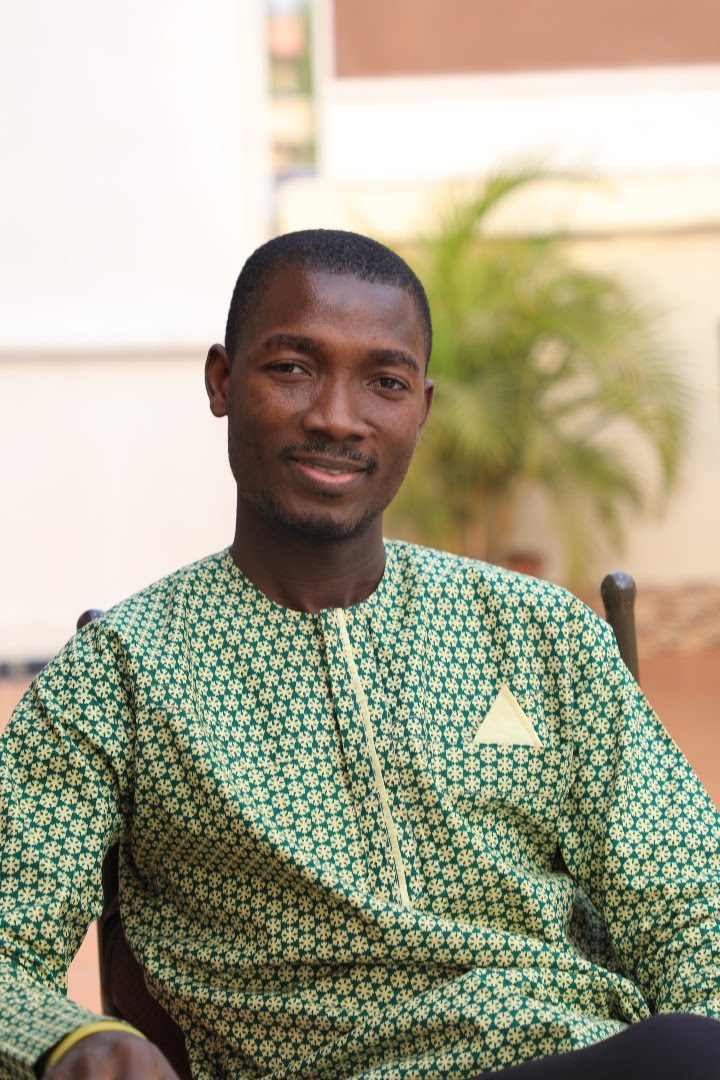
A media and information expert, David Lawal, has called for stronger collaboration between the media, technology platforms, government, and citizens in tackling the growing challenge of misinformation in Nigeria.
Speaking on Trade FM during a discussion titled “Combating Misinformation: The Role of Media in Building an Informed Society,” Lawal described misinformation as the spread of inaccurate or unverified information capable of causing harm to individuals and society.
He said misinformation has always existed in Nigeria, previously appearing mainly as rumours, but digital platforms have increased the speed and reach at which false information spreads.
According to him, the rise of social media has created new challenges because information can now circulate widely before it is properly verified.
Lawal noted that the spread of false information has also affected public confidence in traditional media, adding that media organizations must remain committed to accuracy, ethics, and objectivity to regain and maintain public trust.
He stressed that responsible journalism should focus on informing, educating, enlightening citizens, and holding leaders accountable rather than competing for attention through sensational headlines.
“The responsibility of the media is to the people,” Lawal said, adding that journalism loses its purpose when it prioritizes engagement over truth and public interest.
On fact-checking, he explained that it has become an essential part of modern journalism because journalists must go beyond receiving information to confirming its accuracy before publication.
He identified major challenges facing fact-checking in the digital age, including time pressure, limited resources, and competition among media platforms to publish breaking stories quickly.
Lawal warned that misinformation can have serious consequences during elections, public health emergencies, and national crises by creating fear, reducing trust in institutions, influencing public opinion, and increasing social tension.
He said false information about political candidates, election results, or public events can damage reputations and weaken confidence in democratic processes.
The media expert also highlighted the role technology companies can play in reducing misinformation through improved detection systems, algorithm adjustments, and collaboration with fact-checking organizations.
He referenced the work of organizations such as Dubawa, Africa Check, and Code for Africa in supporting journalists through training and capacity building.
Looking ahead, Lawal identified artificial intelligence as a major factor that will shape the future of information integrity, noting that while AI can help detect misinformation, it can also be used to create fake content such as manipulated images and deepfake videos.
He urged Nigerians to take personal responsibility by verifying information before sharing it online.
Lawal advised citizens to check sources, confirm facts, and avoid spreading information they cannot verify, warning that even sharing false information to criticize it can unintentionally increase its reach.
He added that traditional media still has an advantage because it operates under regulations, ethical standards, and accountability systems, unlike many anonymous sources on social media platforms.
He concluded that combating misinformation requires collective responsibility, with credible journalism, responsible technology use, and informed citizens working together to build a healthier information environment.
