

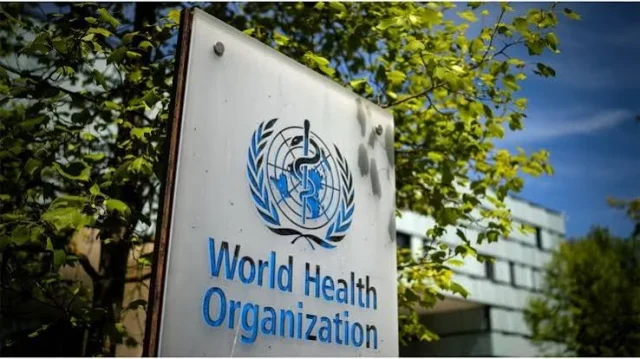
The World Health Organisation (WHO) says implementing key climate and health interventions could prevent approximately 1.6 million deaths annually while generating trillions of dollars in economic benefits.
The United Nations health agency made this known in a report released on Wednesday, ahead of the COP31 climate change conference scheduled to begin next week in Turkey.
The report identified several measures that could significantly reduce the health risks associated with climate change. These include introducing heat-health warning systems, developing climate-resilient drinking water and sanitation infrastructure, improving hand hygiene and promoting cleaner household energy sources.
It also recommended more efficient fossil fuel pricing as part of broader efforts to address the effects of climate change.
WHO Director-General, Tedros Adhanom Ghebreyesus, described the climate crisis as a major public health challenge, stressing that much of the resulting damage could be prevented through existing and affordable interventions.
According to the organisation, implementing six targeted measures could deliver what it described as a triple benefit: healthier populations, reduced greenhouse gas emissions and stronger economies.
The report estimated that the proposed interventions could prevent the release of 16.7 billion tonnes of carbon dioxide annually.
It further projected that the measures could generate up to $5.4 trillion in annual fiscal benefits, alongside an estimated $4 trillion boost to the global economy through lives saved, disaster prevention and lower healthcare expenditure.
However, the WHO acknowledged that the projections were based on ambitious scenarios and were subject to certain limitations, including gaps in available data and uncertainties surrounding the estimates.
Despite these limitations, Tedros maintained that expanding proven and affordable climate interventions could save millions of lives, particularly in countries facing the greatest health and environmental challenges.
With world leaders preparing for the COP31 conference in Turkey next week, the WHO chief called on governments to make public health protection a central consideration in their climate policies.
Source: Punch
