

Organised labour has called for an upward review of Nigeria’s minimum wage, warning that rising inflation, transportation costs, exchange rate pressures and the depreciation of the naira have significantly eroded the purchasing power of workers despite the implementation of the N70,000 minimum wage.
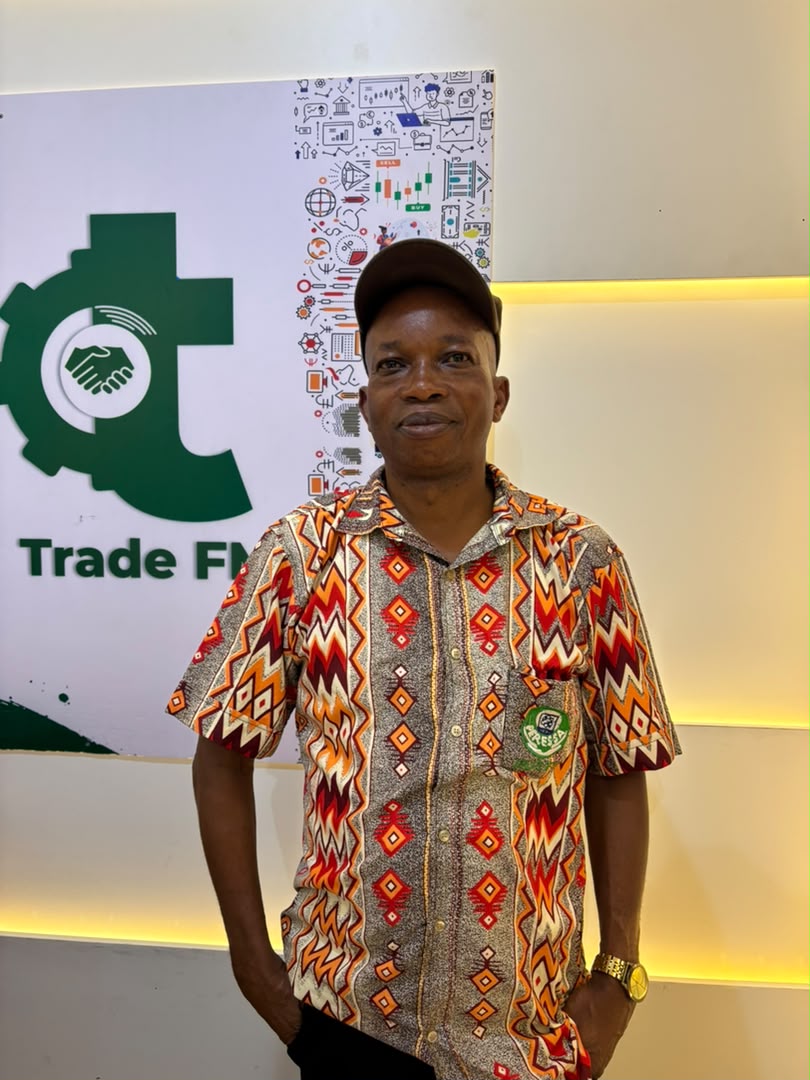
Speaking on Trade FM’s Breakfast Business Briefing, Comrade Rufus Olusesan said the current wage agreement, signed in 2024, has failed to provide sufficient relief for Nigerian workers, as the cost of basic necessities continues to rise. He argued that the N70,000 wage has lost much of its value and called on the government to address the growing economic hardship facing the workforce.
Olusesan explained that the temporary N70,000 wage award introduced to cushion the impact of transportation costs should serve as a bridge towards a fresh minimum wage agreement, insisting that workers should not be left without support when the temporary arrangement expires.
He also expressed confidence that the disagreement between the Nigeria Labour Congress (NLC) and the Trade Union Congress (TUC) over the wage award would be resolved, describing it as an internal labour dispute that should not undermine the collective struggle for workers’ welfare.
On compliance with the existing minimum wage, Olusesan urged organised labour to intensify pressure on state governments that have failed to implement the agreement, arguing that the removal of petrol subsidy has increased government revenues and placed greater responsibility on authorities to improve workers’ welfare.
He maintained that the law provides for a review of the national minimum wage every three years, adding that preparations for another round of negotiations should begin ahead of the expiration of the current arrangement.
He said the proposed negotiations must involve the federal and state governments, organised labour and the private sector.
Addressing concerns about the ability of small and medium-sized businesses to sustain repeated wage increases, Olusesan said collective bargaining should provide a balance between workers’ demands and employers’ financial capacity. He explained that negotiations must consider inflation, food prices, housing costs, exchange rates and the sustainability of businesses.
The labour leader also called for greater representation of informal-sector workers in national wage discussions, stressing that improved workers’ earnings would stimulate economic activities across other sectors. According to him, better-paid workers have greater purchasing power to patronise businesses, employ artisans, pay for services and contribute to economic growth.
He further urged the government to reduce public expenditure, particularly the cost of maintaining political office holders and political appointments, arguing that the burden of economic adjustment should not fall disproportionately on ordinary workers.
Olusesan called for policies that would stabilise the economy, reduce the cost of essential goods and improve employment opportunities, insisting that Nigerian workers deserve wages that can adequately support their families, meet basic needs and provide a decent standard of living.
He assured workers that organised labour would continue to push for a sustainable and acceptable minimum wage through negotiations with the government and private-sector employers.
