

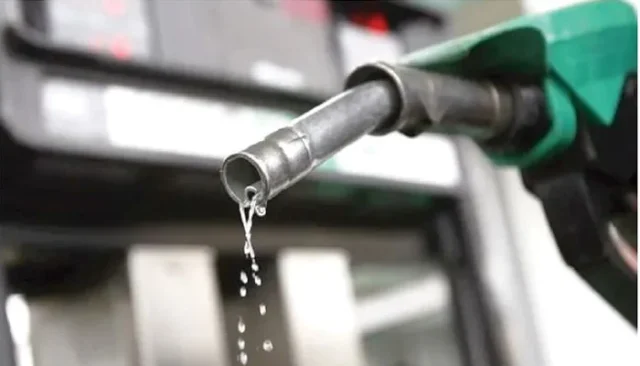
Nigeria recorded the sharpest rise in petrol prices across Africa during the first half of 2026, with pump prices increasing by 39.5 per cent, according to the Nigeria Half-Year Downstream Industry Report (January–June 2026) released by the Major Energies Marketers Association of Nigeria (MEMAN) on Tuesday.
The report linked the surge to the conflict involving Israel, Iran and the United States, which began on February 28, 2026 and disrupted global crude oil supplies.
MEMAN said the crisis pushed international crude oil prices above $100 per barrel and sharply increased the cost of transporting petroleum products worldwide.
According to the association, disruptions around the Strait of Hormuz forced many oil tankers to abandon the usual route and sail around the Cape of Good Hope, extending voyage times from about 18 days to nearly 40 days and significantly raising freight and insurance costs.
The report stated that Nigeria’s deregulated petrol market transmitted the global price shock directly to consumers, making the country the hardest hit on the continent.
MEMAN noted that Nigeria’s 39.5 per cent increase was far higher than the rise recorded in countries such as Egypt, where petrol prices increased by 14.3 per cent.
Despite the sharp increase in pump prices, the report said the period also marked a major shift in Nigeria’s downstream petroleum sector as local refining increasingly replaced imported fuel.
The association said the operational expansion of the Dangote Petroleum Refinery significantly reduced dependence on imported Premium Motor Spirit (PMS).
According to MEMAN, the share of locally refined petrol rose from 38.9 per cent in 2025 to 81.7 per cent during the review period.
Local refineries also supplied an average of 64 per cent of diesel demand, while domestic gas processing facilities met 90.5 per cent of cooking gas demand.
However, MEMAN warned that domestic refining was still insufficient to fully meet national demand, particularly between February and April, when consumption exceeded local refinery output.
To prevent shortages, regulators approved fuel imports by selected marketers under what the association described as a hybrid supply arrangement.
The report also showed that marketers reduced fuel inventories because of high replacement costs, leading to a decline in Nigeria’s strategic fuel reserves.
National PMS stock sufficiency reportedly fell from 33 days in January to 16 days in May, well below the statutory 30-day safety benchmark, before recovering to about 20 days in June as imported supplies entered the market.
MEMAN said the depletion of reserves highlighted the need for government-backed strategic petroleum reserves and crude oil feedstock reserves to protect consumers and local refineries from future global disruptions.
The association further disclosed that persistently high fuel prices affected consumer behaviour.
Average daily petrol consumption fell by 22.3 per cent, while diesel consumption declined by 17.5 per cent during the period.
MEMAN said the crisis demonstrated the growing importance of diversified refining centres and alternative supply sources such as the U.S. Gulf Coast and West Africa.
The report described the first half of 2026 as one of the most volatile periods for Nigeria’s downstream petroleum industry since the full deregulation of the petrol market, with pump prices becoming highly sensitive to international crude prices, exchange rate movements, freight costs and supply chain disruptions.
While the expansion of the 700,000-barrels-per-day Dangote Refinery has improved supply resilience, the association said global geopolitical developments continue to have a strong influence on domestic fuel prices and that effective regulation will remain essential to sustain competition, protect consumers and support investor confidence in the downstream sector.
