

The Lagos State Government has assured residents that there is currently no widespread outbreak of diphtheria in the state.
The government, however, says it is strengthening surveillance and preparedness measures following an active outbreak reported in several parts of Nigeria.
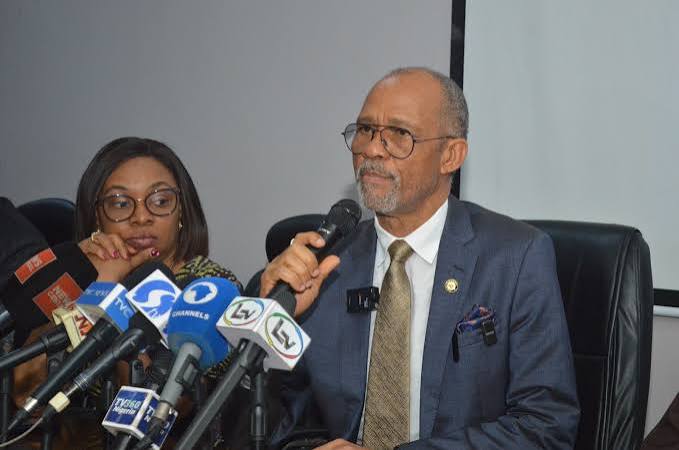
Commissioner for Health, Prof. Akin Abayomi, gave the assurance on Wednesday, September 9, 2026, during a press briefing on Lagos State’s Diphtheria Preparedness and Response, held at the Conference Room of the Folarin Coker Staff Clinic in Alausa-Ikeja.
Abayomi explained that Lagos remains particularly vigilant because of its large population and the continuous movement of people between the state and other parts of the country, including areas recording high numbers of diphtheria cases.
He urged residents to remain calm but vigilant, especially if they experience symptoms such as severe sore throat, fever, weakness, difficulty swallowing or breathing, neck swelling, or a white or greyish membrane at the back of the throat.
The Commissioner advised anyone experiencing suspected symptoms, particularly after travelling to an affected state or coming in contact with a confirmed case, to seek medical attention promptly and avoid self-medication.
He explained that diphtheria is a bacterial respiratory infection caused by Corynebacterium diphtheriae. The infection can produce a toxin that affects vital organs, especially the heart, while swelling and a thick membrane in the throat may obstruct breathing.
According to Prof. Abayomi, Lagos recorded 53 suspected diphtheria cases in 2026, out of which six were laboratory-confirmed. He said all six confirmed cases were appropriately managed, while their contacts were traced and placed under observation during the incubation period.
The Commissioner disclosed that the state is strengthening active disease surveillance, laboratory testing, contact tracing and follow-up of confirmed cases. He added that designated healthcare facilities are being equipped to manage suspected infections and possible complications.
On prevention, Abayomi identified immunisation as the most effective way to protect against diphtheria. He urged parents and guardians to ensure that their children receive the complete three-dose pentavalent vaccination schedule at six, 10 and 14 weeks of age.
He noted that Lagos currently has approximately 64 per cent full vaccination coverage, with some children either partially vaccinated or completely unvaccinated.
The Commissioner therefore called on parents to check their children’s immunisation records and ensure that any outstanding doses are completed.
He added that more than 1,000 healthcare facilities across Lagos, in both the public and private sectors, provide routine immunisation services, while vaccines are available free of charge at government health facilities.
Prof. Abayomi identified four designated facilities for the management of suspected diphtheria cases. They are Mainland Hospital, formerly known as the Infectious Disease Hospital, Yaba; Massey Street Children’s Hospital, Lagos Island; Lagos University Teaching Hospital, LUTH; and Lagos State University Teaching Hospital, LASUTH.
The Commissioner also advised residents to practise good respiratory hygiene by covering their mouths and noses when coughing or sneezing, washing their hands regularly and avoiding close contact with others when experiencing respiratory symptoms.
With schools expected to reopen soon, Abayomi said the Ministry of Health was working with the education sector to strengthen awareness and vaccination among schoolchildren.
He added that suspected diphtheria cases in schools would trigger appropriate contact tracing and infection-control measures.
The Permanent Secretary of the Lagos State Ministry of Health, Dr. Dayo Lajide, also urged parents to ensure that their children are fully vaccinated. She stressed the important role of the media in providing accurate information and protecting public health.
The Lagos State Government is therefore urging residents to remain calm, stay alert to possible symptoms and seek prompt medical attention when necessary.
Signed: Tunbosun Ogunbanwo, Director, Public Affairs.
Date: September 9, 2026.
