

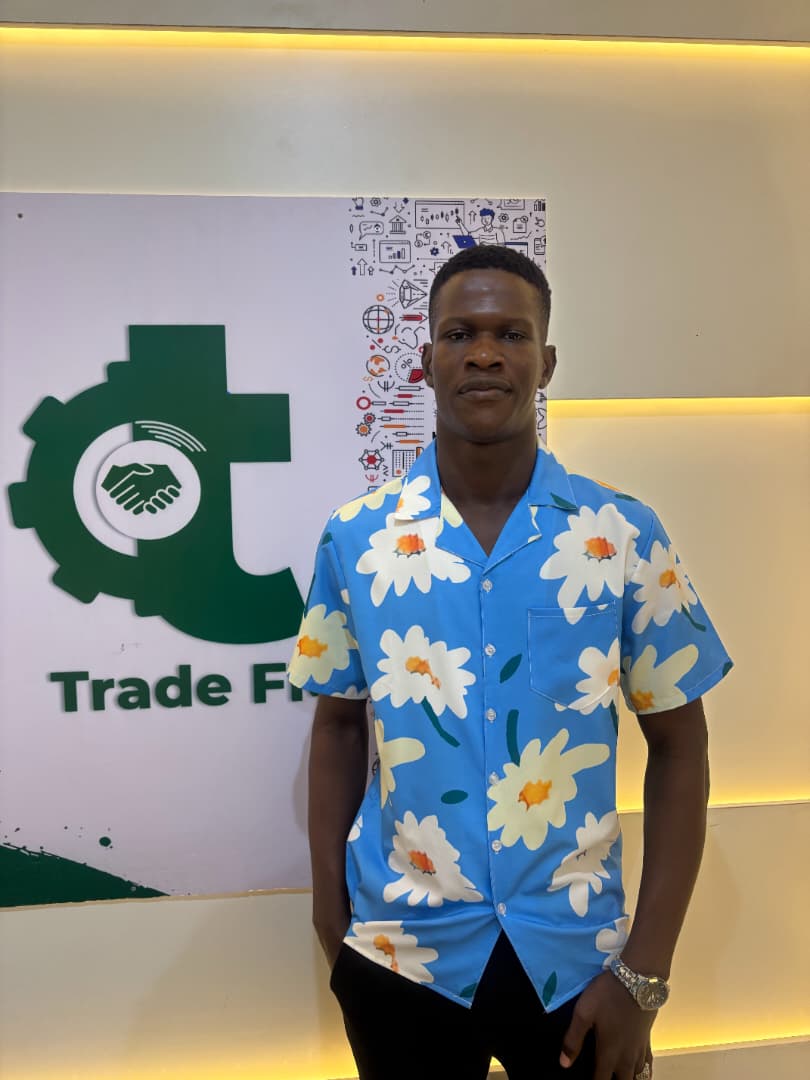
A digital ecosystem that connects farmers, merchants, buyers and content creators can improve market access, reduce post-harvest losses, enhance food security and create new business opportunities across Nigeria’s agricultural sector, according to agritech entrepreneur Mr. Joshua Nnaji.
Speaking on Trade FM during a discussion on “Building a Digital Ecosystem for Farmers, Merchants, Buyers and Creators,” Nnaji said FarmStack was established to address one of the biggest challenges facing smallholder farmers—producing crops without guaranteed access to profitable markets.
He explained that many farmers are often forced to sell their produce at low prices to middlemen due to limited market access, resulting in significant post-harvest losses. According to him, a connected digital marketplace enables farmers to secure buyers before harvest, giving them greater confidence to invest in production while ensuring fair value for their crops.
Nnaji noted that buyers also benefit from digital platforms by gaining access to verified suppliers, transparent pricing and quality agricultural products without the stress of visiting multiple markets to compare prices. He added that merchants can source products more efficiently through verified supply chains supported by integrated logistics, secure payment systems and insurance, reducing the risks associated with transporting goods across long distances.
He stressed that digital platforms can also strengthen trust within the agricultural value chain through features such as escrow payment systems, where payments are only released after buyers confirm receipt of the correct products. According to him, verified suppliers, verified buyers and transparent pricing mechanisms are essential for building confidence among all participants in the marketplace.
The agritech expert highlighted the growing role of content creators in promoting agriculture, explaining that creators can educate farmers about improved farming tools and technologies while earning income through digital marketplaces. He said integrating content with e-commerce allows creators to generate revenue whenever products featured in their videos are purchased through the platform, creating additional value for both creators and farmers.
Nnaji further described artificial intelligence as one of the biggest innovations reshaping agriculture. He explained that AI-powered systems can assist farmers with weather forecasting, crop planning, inventory management and market intelligence, enabling better production and business decisions. He also pointed to the growing adoption of Internet of Things (IoT) devices in agriculture, where AI can work alongside smart hardware to automate irrigation and other farm operations.
Addressing concerns about rising food prices, Nnaji argued that Africa’s biggest agricultural challenge is not production but distribution and market access. He said digital solutions that connect producers directly with consumers and businesses can reduce inefficiencies across the supply chain while improving food affordability and food security. He also highlighted FarmStack’s “Food Vault” concept, which allows households, businesses and institutions to plan and pay for food over time.
To ensure smallholder farmers are not left behind in the digital economy, Nnaji called for greater investment in digital literacy through trained field workers who can support farmers in adopting technology. He also advocated partnerships with mobile device manufacturers and telecommunications companies to provide farmers with affordable preloaded digital devices, alongside government support for digital skills training and financing.
He emphasized that stronger collaboration among farmers, merchants, buyers, creators, financial institutions and government agencies would improve efficiency throughout the agricultural value chain. According to him, access to real-time market data enables farmers to understand demand before planting, buyers to compare verified suppliers and merchants to monitor logistics from dispatch to delivery, significantly reducing post-harvest losses.
Nnaji urged governments and financial institutions to provide greater funding for agritech companies and verified farmers while introducing policies that encourage innovation across the agricultural sector. He said digital platforms can also improve transparency by providing verified transaction histories that support access to financing.
Looking ahead, he identified artificial intelligence, robotics, blockchain technology, the Internet of Things and the creator economy as the technologies most likely to transform agricultural commerce over the next decade. He explained that blockchain can improve traceability for agricultural exports, while AI-powered automation and smart devices will increase productivity across farming operations.
He also encouraged young entrepreneurs to explore opportunities beyond farming by developing logistics, cold-chain storage and other technology-driven agricultural services. Nnaji maintained that innovation should complement—not replace—traditional agricultural systems, adding that businesses should embrace emerging technologies to remain competitive.
According to him, building a connected digital ecosystem will enable every participant in the agricultural value chain—from farmers and merchants to buyers and creators—to benefit from increased transparency, improved market access and sustainable economic growth.
