

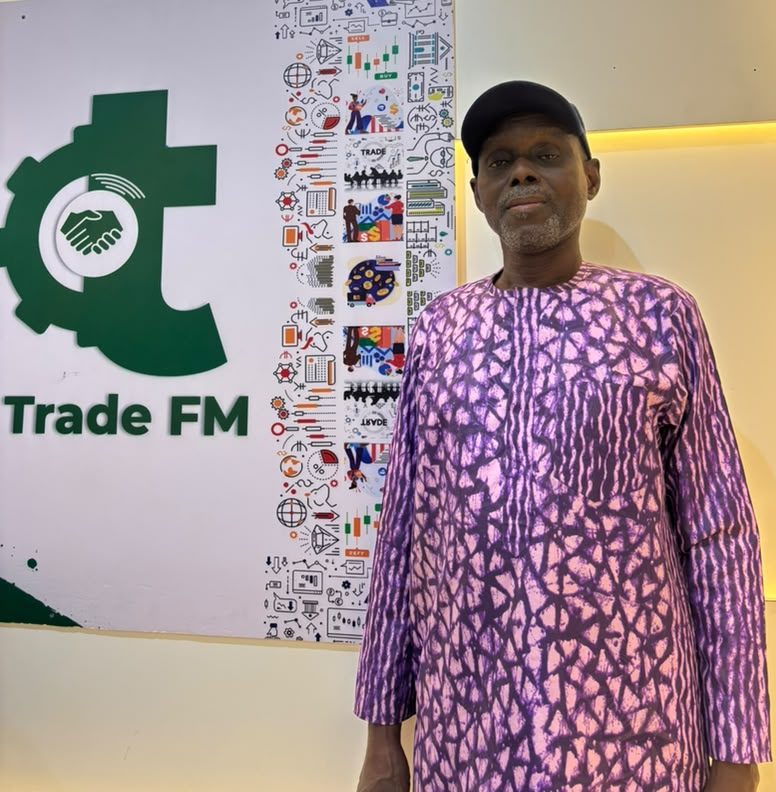
The Treasurer of the Lagos State Council of Tradesmen and Artisans (LASCOTA), Yesiru Bello, has called for greater investment in vocational education, stronger government support for artisans and increased patronage of locally made products to unlock the full potential of Nigeria’s skilled workforce.
Bello made the call while speaking on the Ask the Expert segment of Trade FM’s Breakfast Business Briefing in commemoration of World Artisan Day.
He described artisans as the backbone of every economy, stressing that virtually every aspect of daily life depends on skilled trades such as electrical installation, tailoring, carpentry, plumbing, mechanics, construction and other vocational services.
According to him, artisans contribute significantly to Nigeria’s economic development, noting that the country’s infrastructure and productive sectors rely heavily on their expertise.
Speaking on the significance of World Artisan Day, Bello commended the Lagos State Government for consistently recognizing the contributions of artisans through its annual Artisan Day celebration. He said the event demonstrates government’s appreciation of the role artisans play in economic growth and wealth creation.
He also praised the Ministry of Wealth Creation for its continued support of artisans across the state, adding that Lagos remains one of the few states that has institutionalised annual recognition for skilled tradesmen and women.
Addressing the challenge of youth unemployment, Bello encouraged young Nigerians to embrace vocational skills as a viable path to self-reliance and entrepreneurship.
He lamented what he described as a growing preference among many young people for white-collar jobs while neglecting practical skills capable of generating sustainable income.
According to him, acquiring a trade provides long-term economic security and enables individuals to remain productive even after retirement from formal employment.
Bello also criticised the increasing number of short-term vocational training programmes, arguing that they often produce graduates who lack practical competence.
He maintained that mastering a trade requires years of dedicated apprenticeship and hands-on experience rather than a few months of classroom instruction.
According to him, some beneficiaries of accelerated training schemes receive certificates despite lacking the practical skills needed to perform basic tasks in their chosen professions.
He urged prospective artisans to commit themselves fully to apprenticeship by learning every aspect of their trade before seeking independence.
Speaking on changing perceptions of vocational careers, Bello said rising unemployment has prompted many university graduates to acquire practical skills after completing their education.
He noted that graduates are increasingly finding opportunities in trades such as fashion design, shoemaking and other skilled professions, adding that vocational careers are gradually gaining wider acceptance across the country.
On access to finance, Bello advised artisans against depending solely on government loans to establish businesses.
He stressed that aspiring entrepreneurs should first acquire adequate experience, develop viable business plans and identify sustainable market opportunities before seeking financial support.
Drawing from his personal experience as a beneficiary of government loan schemes, Bello said access to funding alone does not guarantee business success, explaining that many artisans struggle to repay loans because they fail to properly plan their investments.
He also called for continuous upgrading of technical skills through structured vocational training.
Bello commended the Industrial Training Fund (ITF) for exposing artisans to modern technologies and improved production techniques, expressing optimism that sustained investment in skills development would strengthen Nigeria’s workforce and improve productivity.
On the remuneration of artisans, Bello said improving earnings begins with maintaining high professional standards and delivering quality workmanship.
He argued that the use of inferior materials and poor service delivery undermines public confidence in local artisans and limits their competitiveness.
Bello further urged skilled Nigerians living abroad to contribute to the development of the country’s artisan sector by investing their knowledge and expertise back home.
He also called on governments at all levels to prioritise patronage of locally produced goods by procuring Nigerian-made furniture, clothing, footwear and other products for public institutions.
According to him, increased patronage of locally made products would stimulate production, create employment opportunities and strengthen small businesses across the country.
As part of efforts to improve apprenticeship, Bello advised master craftsmen to prioritise mentoring over excessive apprenticeship fees, urging them to equip trainees with the practical skills needed to establish successful businesses after completing their training.
He reaffirmed LASCOTA’s commitment to promoting vocational skills development, entrepreneurship and the welfare of artisans across Lagos State.
Bello expressed confidence that with improved technical education, stronger government support, greater patronage of Made-in-Nigeria products and quality apprenticeship programmes, the artisan sector can play an even greater role in driving economic growth, reducing unemployment and advancing national development.
