

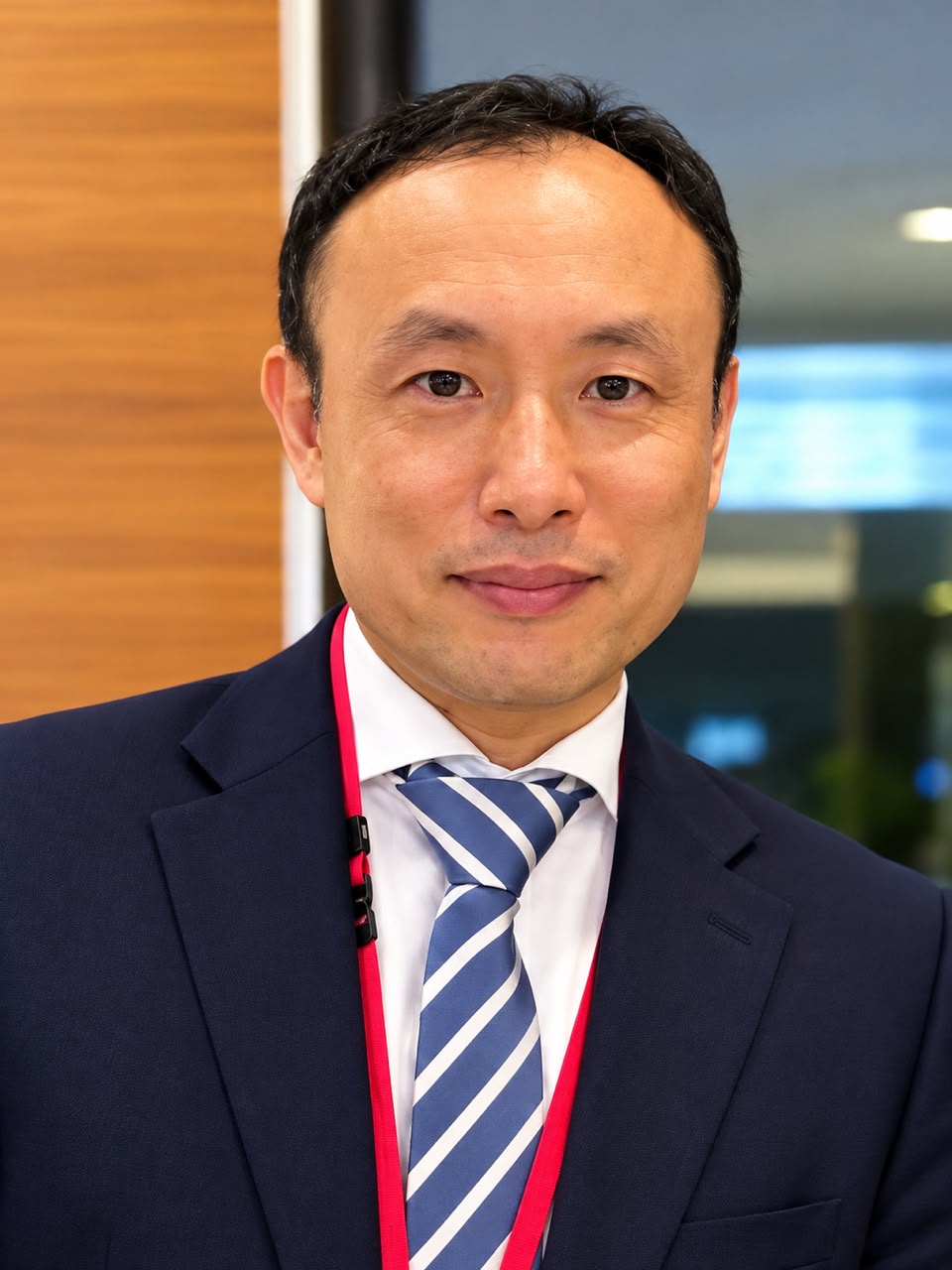
The Japan External Trade Organization (JETRO) has expressed optimism about strengthening economic relations between Nigeria and Japan, identifying improvements in Nigeria’s business environment as a key factor that could attract more Japanese investors and deepen bilateral trade.
The Trade Commissioner and Managing Director of JETRO, Mr Takashi Oku, said sustained improvements in the country’s business climate would encourage stronger partnerships between Japanese and Nigerian businesses.
Oku spoke during an interview on the Ask the Expert segment of Trade FM’s Breakfast Business Briefing, broadcast live from the 40th Lagos International Trade Fair at Tafawa Balewa Square, Lagos.
He described Japan’s participation in the annual trade exhibition as a demonstration of its commitment to expanding economic and commercial relations with Nigeria.
Congratulating the organisers on the fair’s 40th anniversary, Oku disclosed that this year’s exhibition marked Japan’s 11th participation in the event.
“First of all, I would like to congratulate the organisers on the 40th anniversary of the Lagos International Trade Fair. This is Japan’s 11th participation in this event, and we are really happy to have contributed to it 11 times,” he said.
He explained that Japan’s continued presence at the exhibition reflected its determination to strengthen its relationship with Nigeria and create more opportunities for business engagement between both countries.
On the opportunities for Nigeria to benefit from Japan’s technological advancement and industrial expertise, Oku pointed to the presence of Japanese companies operating in the country, including automobile manufacturer Honda, which has established a factory in Nigeria.
He encouraged visitors to explore the Japanese pavilion, noting that its exhibitions extended beyond the automobile industry to showcase companies operating across different sectors.
“Through this occasion, we want to introduce the variety of Japanese companies and cultures to Nigerian people,” he said.
Addressing the potential for knowledge exchange between businesses in both countries, the JETRO chief disclosed that approximately 50 Japanese-related companies currently operate in Nigeria and maintain business relationships with Nigerian partners.
According to him, these existing commercial connections provide opportunities for both countries to exchange expertise, develop business networks and gain a better understanding of their respective markets.
“Through our investment, I think we can have some knowledge exchange and connections in this market,” Oku stated.
On the challenges facing Japanese investors in Nigeria, including infrastructure deficits, logistics difficulties, electricity supply and internet connectivity, Oku acknowledged that the country still faces business environment constraints.
However, he expressed optimism that conditions were gradually improving, citing developments in the foreign exchange market and the country’s foreign reserves.
Having lived in Nigeria since 2023, he said his experience over the past three years had exposed him to some of the difficulties businesses encounter while operating in the country.
“As a resident here, I have been here since 2023, and of course, I have also experienced the challenges over the past three years. But the environment is gradually improving,” he said.
He added that although electricity, internet connectivity and logistics remained areas of concern, he believed further improvements would make Nigeria a more attractive destination for Japanese businesses.
On opportunities for Nigerian graduates and technical professionals to benefit from Japanese training and capacity-building programmes, Oku clarified that JETRO was not an aid organisation and did not primarily focus on educational assistance.
He, however, maintained that stronger business relationships between Japanese and Nigerian companies could create opportunities for knowledge sharing and professional development.
“Through the deep connections between Japanese companies and Nigerian companies, I believe you can have some benefits and learn something. Of course, from our side, we also learn many things from the Nigerian side, but you can also learn something from the Japanese,” he said.
Explaining JETRO’s ongoing initiatives in Nigeria, Oku said the organisation’s activities were largely centred on promoting business engagement and introducing Japanese companies, products and culture to the Nigerian market.
He identified the organisation of the Japanese pavilion at the Lagos International Trade Fair and its recently organised Super Japan event, which showcased Japanese pop culture, as some of its initiatives.
He explained that such programmes were designed to give Nigerians greater exposure to contemporary Japan, including its industries, cultural developments and areas of global relevance.
“As I mentioned, we are not an aid organisation. Basically, we organise the Japan pavilion at the Lagos International Trade Fair. Recently, we also organised the Super Japan event to introduce Japanese pop culture,” he said.
“Through these kinds of programmes, we hope to provide something that shows what Japan is today, what currently exists and what is being highlighted. Through these programmes, I hope Nigerians can learn something.”
Reflecting on Japan’s participation in this year’s trade fair, Oku acknowledged that rising costs had presented some challenges for the delegation.
Despite the financial pressures, he said JETRO was pleased to return to the exhibition and had made efforts to improve the presentation and decoration of its pavilion compared with the previous edition.
“This year’s participation was a challenge for us because of the hike in prices and other things. But we are happy to rejoin this event again,” he said.
He encouraged Nigerians attending the fair to visit the Japanese pavilion and experience its exhibitions and displays.
Looking ahead, Oku expressed hope that Nigeria would sustain improvements in its business environment over the next few years, saying this would help attract further Japanese investment and strengthen commercial relations between the two countries.
“We believe and hope to expand our relationship further, especially as the business environment improves. This improvement would attract more relationships between Japanese and Nigerian businesses,” he added.
His remarks underscore JETRO’s interest in leveraging trade exhibitions, existing corporate partnerships and cultural exchanges to promote stronger economic cooperation between Nigeria and Japan.
