

The Federal Government has projected economic growth of more than four per cent in 2026, with Nigeria’s external reserves exceeding $54bn and inflation falling to approximately 15 per cent.
The government attributed the figures to progress made under the economic reforms introduced by President Bola Tinubu, while acknowledging the need to ensure that improvements in economic indicators translate into better living conditions for Nigerians.
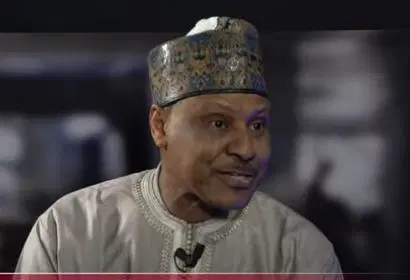
The Minister of Information and National Orientation, Mohammed Idris, disclosed this on Monday during a media chat on the state of the nation.
Idris said Nigeria recorded a current account surplus of $12bn in the first half of 2026, compared with $8.6bn during the corresponding period of 2025. He also said external reserves reached their highest level in nearly two decades in September.
According to the minister, the economy is expected to grow by more than four per cent this year, while inflation has declined from approximately 27 per cent in January 2025 to around 15 per cent.
He said the government intended to sustain the improvements and ultimately reduce inflation to single digits.
Idris maintained that the reforms had strengthened the country’s economic fundamentals, helped restore confidence and created conditions for broader economic growth.
He also disclosed that Nigeria earned more than $6bn from non-oil exports in 2025, describing the figure as the highest in the country’s history.
He attributed the export earnings to activities across agriculture, mining, petrochemicals, manufacturing, processing, transportation and logistics, noting that these sectors had created opportunities for local businesses and entrepreneurs.
The minister added that increased crude oil production and a reduction in oil theft had improved revenue available to the federal, state and local governments.
However, he acknowledged that more needed to be done to ensure the benefits of economic recovery reached households and businesses through improved purchasing power, affordable essential goods and better living standards.
On infrastructure, Idris said the Federal Government was investing in roads, railways, electricity, healthcare and education. He identified four major infrastructure projects covering approximately 3,000 kilometres across Nigeria’s six geopolitical zones as part of the administration’s development programme.
He also cited a recently approved highway project valued at about ₦1.53tn in Niger State, saying it would improve connections along an important agricultural and commercial corridor, ease the movement of goods and create opportunities for businesses.
In agriculture, the minister said the government was prioritising food security through mechanisation, improved access to farm inputs, irrigation development and agricultural financing. The measures, he said, were intended to increase domestic food production, raise farmers’ incomes and make food more affordable.
On healthcare, Idris disclosed that the government had commissioned two additional cancer treatment centres, bringing the number commissioned to five. He said efforts were underway to commission five other completed centres to expand access to specialised medical care.
In education, he said the Nigerian Education Loan Fund had supported more than 1.6 million students, paid over ₦102bn in tuition fees and disbursed approximately ₦180bn in upkeep allowances.
The minister also announced that the government had issued a ₦758bn bond to settle inherited pension arrears dating back to 2007, with nearly one million pensioners expected to benefit.
He added that another ₦1.23tn in bonds had been issued to settle inherited debts owed to electricity generation and gas companies.
On social protection, Idris said government programmes were reaching more than 10 million households, while consumer credit initiatives were helping Nigerians spread the cost of essential purchases.
Addressing insecurity, he said the administration had strengthened the operational capacity of the armed forces, intelligence services and other security agencies through improved coordination, equipment, logistics and support for frontline personnel.
He acknowledged that security challenges remained in some parts of the country but assured Nigerians that the government would continue investing in intelligence, technology and operational capabilities to address them.
Idris also called for stronger cooperation among the federal, state and local governments, urging subnational administrations to improve service delivery in areas such as education, primary healthcare, transportation and waste management.
The minister urged journalists to continue scrutinising government performance while providing context on the challenges facing the country and the progress being made.
He maintained that the government was not opposed to scrutiny, describing the media as an important pillar of democracy, but called for accuracy and context in reporting.
Also speaking, the Special Adviser to the President on Information and Strategy, Bayo Onanuga, expressed concern about what he described as the growing spread of fake news by mainstream media organisations.
Onanuga said social media platforms had traditionally been associated with misinformation but argued that established media outlets were increasingly contributing to the problem.
He urged journalists to verify information thoroughly and maintain professional standards to ensure their reports were accurate and authentic.
On multidimensional poverty, the presidential aide called on journalists to extend their scrutiny to state and local governments, noting that many challenges affecting citizens fell within the responsibilities of subnational administrations.
He urged the media to hold every tier of government accountable for delivering essential services and improving living conditions.
Source: Vanguard
