

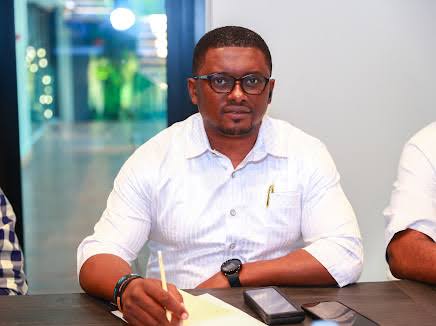
The Rivers State Chairman of the Nigeria Labour Congress, Alex Agwanwor, has called on the Federal Government to urgently address Nigeria’s worsening cost-of-living crisis, review the national minimum wage and take decisive steps to reduce petrol prices. Speaking on the challenges facing Nigerian workers, Agwanwor said the continuous increase in the prices of food, transportation and other essential commodities has significantly weakened workers’ purchasing power, making it increasingly difficult for many households to meet their basic needs. He noted that although the current national minimum wage stands at ₦70,000, the amount has become inadequate to cover daily transportation expenses, feeding and family responsibilities. According to him, many workers spend a substantial portion of their earnings travelling to and from work, leaving them with little money to meet other essential needs. Agwanwor traced much of the current economic pressure to the removal of the petrol subsidy, explaining that the subsequent rise in pump prices contributed to higher transportation fares and production costs, which eventually translated into increased prices for goods and services. He stressed that workers are bearing a significant part of the economic burden and urged the government to introduce practical measures that would ease their financial difficulties.
The labour leader also called for immediate commencement of negotiations on a minimum wage review, arguing that discussions should begin early enough to allow a new agreement to take effect when the current wage arrangement expires. He maintained that wage reviews must reflect prevailing economic conditions, particularly inflation and the rising cost of essential commodities. Agwanwor further explained that wage awards and other financial relief measures could provide temporary support to workers by improving their ability to afford basic necessities. However, he stressed that temporary interventions alone would not resolve the wider economic challenges unless the government also takes steps to stabilise prices and strengthen workers’ earnings. He urged the authorities to engage organised labour in meaningful discussions and establish a clear framework for addressing workers’ demands within a reasonable period.
On fuel pricing, the Rivers NLC chairman advocated stronger domestic refining capacity and increased local production of petroleum products, including petrol and diesel. He argued that reducing dependence on imported petroleum products could help limit the influence of international market prices on the domestic economy. According to Agwanwor, lower production and transportation costs could potentially reduce the prices of goods and services, providing relief for households and businesses. He questioned why a major oil-producing country such as Nigeria should remain heavily dependent on imported petroleum products and called for sustained efforts to ensure that local refining operations contribute meaningfully to domestic supply. He said the benefits of local production should extend beyond the energy sector to manufacturing, transportation, commerce and other areas of economic activity.
Agwanwor also expressed disappointment that workers’ specific demands were not adequately addressed in President Bola Tinubu’s Independence Day address, saying organised labour had expected clearer commitments on the economic challenges confronting workers. He maintained that the concerns raised by labour go beyond salary increases, encompassing the rising cost of living, declining purchasing power and the need for improved welfare conditions. According to him, the government must demonstrate urgency by responding to these demands and opening negotiations that can produce practical and measurable outcomes. He added that the labour movement expects the authorities to consider the concerns of workers across the federal, state and local government levels, particularly those whose earnings have struggled to keep pace with rising expenses.
On industrial action, the Rivers NLC chairman explained that the strike was intended to increase pressure on the government to address the outstanding demands of organised labour. He warned that any failure to achieve meaningful progress could lead to further action, depending on the government’s response during and after the planned period of industrial activity. Agwanwor said the union expects the government to demonstrate its commitment through concrete measures, including the commencement of wage negotiations, attention to fuel pricing and improved conditions of service. He also acknowledged that industrial action could affect the delivery of public services and slow government operations, as workers’ participation is essential to the functioning of ministries, departments and agencies. He maintained, however, that meaningful dialogue and a favourable resolution of the dispute would help prevent further escalation.
The Rivers NLC chairman reiterated that the ultimate objective of organised labour is to secure improved living and working conditions for Nigerian workers while addressing the broader economic pressures affecting the general public. He said labour would assess the government’s response and the progress made in negotiations before determining its next steps. Agwanwor therefore urged the Federal Government to treat workers’ concerns as an urgent economic priority, warning that continued inflation and declining purchasing power could deepen the difficulties faced by households across the country. He emphasised that sustained engagement between government and labour would be necessary to resolve the dispute, restore confidence and develop measures capable of providing lasting relief to workers and the wider Nigerian population.
