

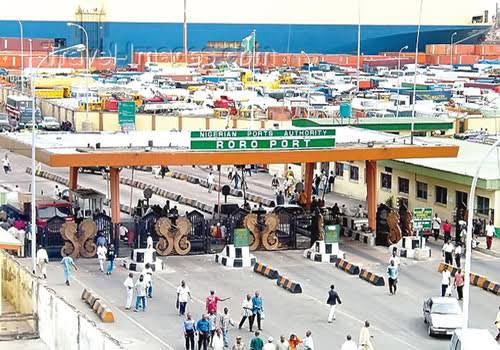
The Nigerian Ports Authority, NPA, handled 103,375 imported vehicles in the first half of 2026, representing a 42.5 per cent increase compared with the 72,568 units recorded during the same period in 2025.
The figures were presented at the quarterly meeting of the Port Consultative Council, PCC, in Lagos, where the NPA reviewed its operational performance for the first six months of the year.
The Managing Director of the NPA, Dr Abubakar Dantsoho, who was represented by the Principal Manager, Statistics, Mrs Okenwa Igwebuike, attributed much of the increase in vehicle traffic to transhipment activities at the PTML Terminal.
The rise in vehicle imports was one of the areas that recorded notable growth in the NPA’s half-year performance.
The authority said its comparison with the corresponding period of 2025 was aimed at identifying operational trends and assessing the overall performance of the nation’s ports.
Cargo and vessel traffic increase
The NPA reported growth across several major operational indicators during the period under review.
A total of 2,152 vessel calls were recorded at Nigerian ports in H1 2026, representing a 6.9 per cent increase.
Gross registered earnings also increased by 20.9 per cent, rising from 79,981,595 in H1 2025 to 96,693,108 during the first half of 2026.
Overall cargo throughput across the country’s ports reached 68,294,210 metric tons, up 12.2 per cent from the 60,844,521 metric tons recorded in H1 2025.
Inward cargo accounted for 38,411,323 metric tons, compared with 36,338,068 metric tons during the corresponding period last year, representing a 5.6 per cent increase.
Lekki, Onne ports record strong growth
Lekki Port recorded the strongest performance among the port locations, with vessel calls increasing by 48.4 per cent.
The port now handles almost 40 per cent of Nigeria’s total cargo throughput, with the NPA linking much of the growth to activities at the Dangote Refinery.
The refinery accounted for 76 per cent of the total cargo traffic recorded at Lekki Port during the period.
Onne Port also recorded significant growth, with vessel calls increasing by 26.6 per cent. The NPA attributed much of the activity to LNG exports, with Onne now accounting for 22.7 per cent of national cargo throughput.
By comparison, Calabar and Rivers ports remained relatively small contributors, jointly accounting for slightly more than 4 per cent of cargo handled across the country.
The NPA said vessel calls declined at all other port locations during the review period.
Container traffic rises
Container traffic also recorded an increase in the first half of the year.
The NPA reported total container throughput of 815,346 TEUs, representing a 10.3 per cent rise from the 709,142 TEUs recorded in H1 2025.
Imports accounted for the largest share, with 546,755 TEUs, representing 67 per cent of total container traffic.
Exports stood at 203,980 TEUs, accounting for 25 per cent.
Transhipment recorded the largest percentage increase among the container categories, rising by 169.5 per cent from 13,199 TEUs to 35,570 TEUs.
Despite the sharp increase, transhipment accounted for only about 4 per cent of total container traffic during the period.
Ship turnaround time worsens
However, the NPA report showed that not all operational indicators improved.
The average time vessels spent at berth increased to 5.3 days, indicating a deterioration compared with the corresponding period in 2025.
The report attributed the development to a 6 per cent negative performance in ship turnaround time.
Presenting the report, the NPA management said the benchmarking exercise against H1 2025 was designed to provide the Port Consultative Council with a clearer picture of operational trends and developments between January and June 2026.
The authority said the information would support strategic decision-making and help assess developments across the country’s ports.
The report also identified the Dangote Refinery as a major factor behind the growth in port activity, noting that the facility now accounts for approximately 40 per cent of total annual port traffic.
Source: Vanguard
