

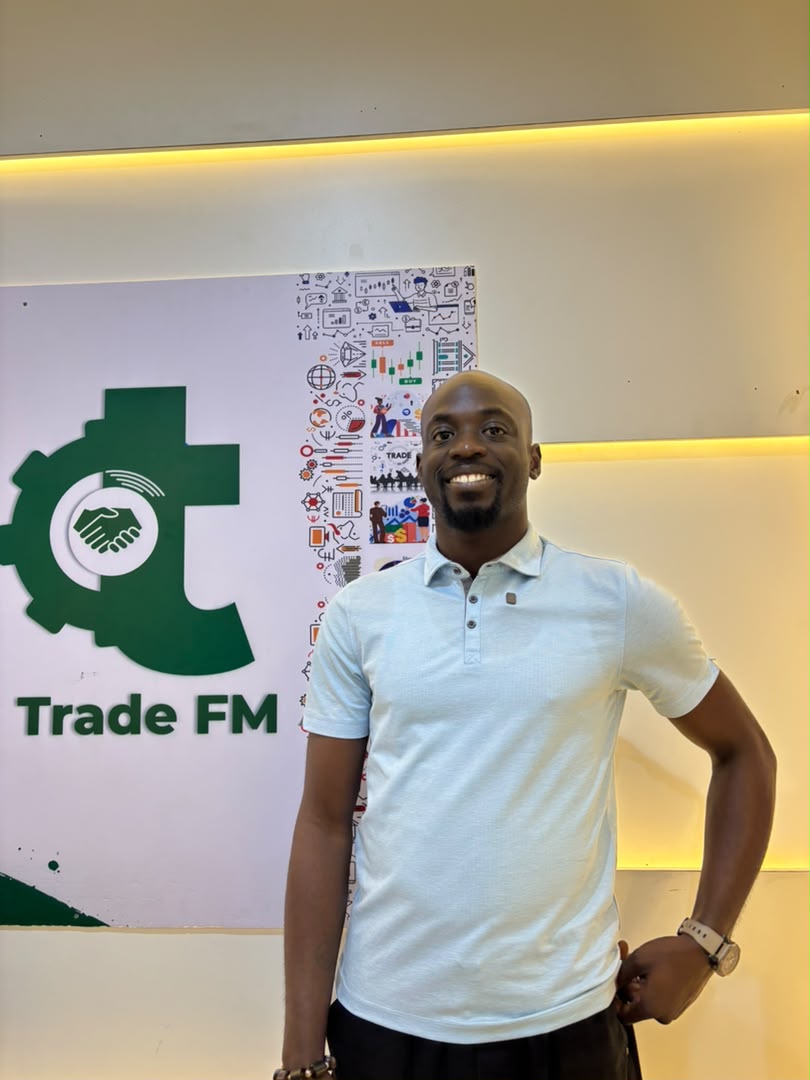
Creative and impact producer, documentary filmmaker and Creative Director at Lightwork Media House, Ade Oyeyipo, has called for increased local investment in Nigeria’s creative industry, saying sustainable funding is critical to producing and retaining ownership of African stories.
Speaking on Trade FM, Oyeyipo said Nigeria’s rapidly evolving digital space has democratized content creation, allowing more people to tell their stories through social media, streaming platforms and short-form video. However, he identified inadequate funding and difficult operating conditions as major challenges limiting filmmakers and independent creators.
Oyeyipo said documentary filmmaking can play a major role in highlighting social issues and preserving stories that may otherwise be forgotten. He cited his work on child domestic abuse and healthcare access in underserved communities, stressing that storytellers have a responsibility to document issues and encourage public discussion.
He also advocated greater inclusion of deaf persons in Nigeria’s media and entertainment industry, noting that accessibility should be considered in mainstream cinema and content production. According to him, providing subtitles and other accessible solutions could enable deaf audiences to enjoy films alongside other viewers.
On funding, Oyeyipo said many documentary projects depend on grants from foreign organisations or partnerships with NGOs, which can raise questions about ownership and control of African narratives. He therefore urged Nigerian businesses and investors to provide more funding for local filmmakers, saying Africans should have a stronger role in financing African stories.
The filmmaker also identified vertical filmmaking and micro-dramas as emerging opportunities for independent creators, particularly as audiences increasingly consume content through smartphones and platforms such as TikTok and YouTube.
Oyeyipo advised young creators to embrace failure, develop technical skills, remain consistent and build their portfolios. He said creators should focus on finding their unique voice and message rather than waiting for perfect equipment or conditions before publishing their work.
He expressed hope that the future of Nigerian content would feature more culturally nuanced stories that make audiences think and, importantly, reach the communities whose experiences are being documented.
