
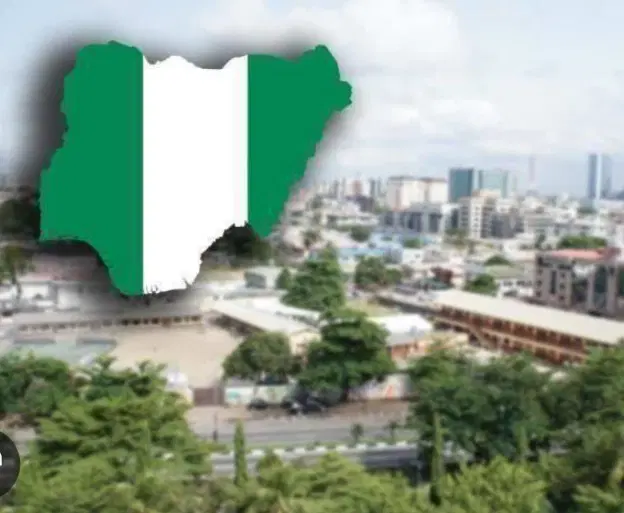
Nigeria is set to receive significantly less financial support from the United Kingdom after the British government announced a 50.2 per cent reduction in its development assistance to the country.
The decision is part of a broader restructuring of the UK’s overseas aid programme aimed at increasing funding for domestic priorities and defence spending. Similar reductions are also being implemented by the United States, Germany and several other European countries.
Figures released by the UK Foreign, Commonwealth and Development Office (FCDO) in its 2025–2026 Annual Report and Accounts show that Nigeria’s allocation will fall from £136.62 million in 2025–2026 to £68 million in the 2028–2029 financial year under a new three-year plan.
The reduction is part of a wider overhaul affecting all 34 African countries receiving UK development assistance, with some nations facing cuts of more than 90 per cent.
UK says aid budget will fund defence and new partnerships
The Labour government said it intends to reduce Official Development Assistance (ODA) from 0.7 per cent of Gross National Income to 0.3 per cent by 2027 in order to finance what it described as a necessary increase in defence expenditure.
In the report, the FCDO said the new spending plans reflect the transition to the lower aid target and a “modernised” approach to development cooperation. The department added that allocations would continue to be reviewed in response to humanitarian crises and changing global priorities.
Foreign Secretary Yvette Cooper told Parliament on March 19, 2026 that the government had made difficult decisions but insisted that Britain was not abandoning its international commitments.
She said the UK would move away from providing high levels of grant-based aid in a number of countries while seeking to maintain influence through what she called “modernised partnerships.”
Kenya, Ghana, Uganda among countries facing major cuts
The breakdown released by the UK government shows that Kenya will experience the largest reduction, with aid falling 92.5 per cent to £5 million.
Other significant cuts include:
- Tanzania, Malawi and Mozambique: reductions of more than 90 per cent
- Zambia: down 83.2 per cent to £5 million
- Zimbabwe: down 72.5 per cent to £5 million
- Ethiopia: down 54.1 per cent to £80.5 million
- Ghana: down 51.9 per cent to £5 million
- Uganda: down 52.1 per cent to £18 million
- South Sudan: down 39.1 per cent to £72.2 million
- Somalia: down 20.5 per cent to £85.2 million
South Africa is expected to receive no UK bilateral allocation by 2029 after a 59.5 per cent reduction over two years.
Overall, UK aid to Africa is projected to decline from £1.45 billion in 2026 to £639.81 million by 2029, representing a 23.7 per cent decrease.
Part of a wider Western pullback from foreign aid
The UK’s decision mirrors a broader shift among Western governments as they respond to economic pressures, rising defence costs and changing foreign policy priorities.
In the United States, the Trump administration in 2025 froze and restructured major parts of USAID, leading to the cancellation of billions of dollars in programmes across Africa, including health, food security and democracy initiatives in countries such as Nigeria, Kenya and South Sudan.
Washington has increasingly promoted a “trade, not aid” approach, a model that the UK is also moving toward.
Elsewhere, France announced plans to cut its aid budget by €1.2 billion over three years, while Germany reduced its development budget by 10 per cent in 2026 to support military assistance to Ukraine and domestic energy transition efforts. The Netherlands and Sweden have also signalled lower aid ceilings.
Possible impact on Nigeria
The reduction comes as Nigeria continues to face humanitarian pressures in the North-East, gaps in the health sector and growing climate-related challenges.
UK assistance has traditionally supported programmes in health, education, governance, humanitarian response and economic development.
The FCDO said future allocations could still be adjusted depending on global humanitarian needs and emerging conflicts, but the current plan points to a substantial decline in British development funding for Nigeria over the next three years.
