

The World Bank and education experts have called for greater investment in education, healthcare and nutrition for internally displaced children, warning that neglecting children affected by conflict could weaken Nigeria’s future human capital.
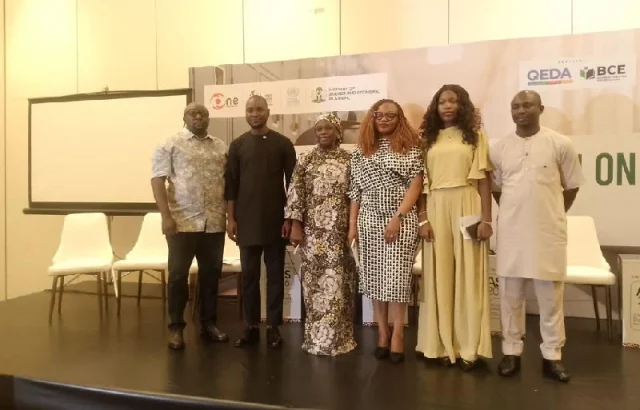
Speaking during a panel session at the Africa Social Impact Summit held at Eko Hotels and Suites, Lagos, the World Bank said children living in humanitarian settings must have access to quality education and other essential services. The session was themed, “Financing Early Childhood Development in Crisis: Mobilising Private and Philanthropic Capital for Early Childhood Development in Crisis.”
According to the United Nations Refugee Agency, Nigeria has about 3.7 million internally displaced persons (IDPs) following more than a decade of insurgency, particularly in the North-East.
The World Bank’s Senior Health Specialist, Dr. Ritgak Tiiley-Gyado, represented by Senior Social Development and Safeguards Specialist, Zara Goni, said research consistently shows that investing in children during their early years delivers lasting social and economic benefits.
She noted that quality early childhood education, healthcare and nutrition help children become healthier, more productive adults, while also reducing poverty and strengthening national development.
Tiiley-Gyado stressed that children in IDP camps should continue to receive education, healthcare and adequate nutrition despite the challenges posed by insecurity. She recalled efforts carried out with the Lake Chad Basin Commission and the Multinational Joint Task Force to improve access to essential services in displaced persons’ camps.
She also advocated affordable, community-driven and scalable interventions that can provide lasting support to children in crisis-affected communities.
Also speaking, the National Coordinator of the Nigeria Coalition on Early Childhood Development in Crisis, Arome Agenyi, urged the Federal Government to allocate more funding to early childhood education, noting that only about one per cent of Nigeria’s education budget is currently dedicated to the sector.
Agenyi also appealed to the private sector to increase its support, warning that inadequate investment could result in the country losing an entire generation of children.
The Education Programmes Lead at Sterling One Foundation, Samuel Ajayi, called for stronger collaboration between the public and private sectors to improve funding for early childhood development.
Meanwhile, Education Adviser at Plan International, Tobi Ransomed, highlighted the impact of poor nutrition on children’s learning and cognitive development, while Early Childhood Development Youth Ambassador, Priscilia Ibadin, urged greater investment in young people to strengthen advocacy for child development within communities.
