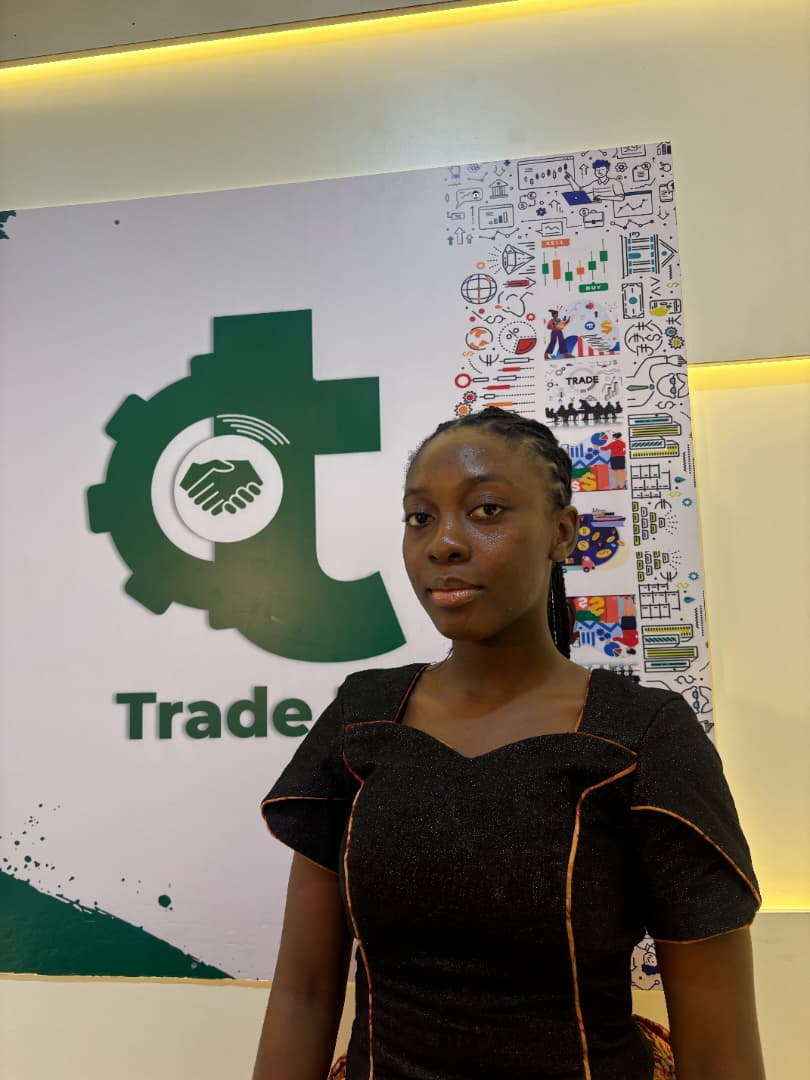

The Creative Director of FACHRIS, Joseph Oluchukwu Praise, has urged greater appreciation and investment in Nigeria’s indigenous fabrics, describing them as valuable cultural assets capable of competing in the global luxury fashion industry. Speaking on the SME segment of TRADE FM’s Breakfast Business Briefing, she said traditional textiles such as Adire and Aso Oke possess unique histories, craftsmanship, and authenticity that distinguish them from mass-produced fabrics.
Joseph explained that her passion for indigenous textiles stems from the rich cultural stories behind their production and the creativity involved in making them. According to her, handcrafted fabrics should no longer be seen as clothing reserved for special occasions or older generations, as they can be transformed into stylish contemporary outfits suitable for corporate, casual, and social settings. She added that combining traditional fabrics with modern materials and silhouettes has made them increasingly appealing to younger consumers.
She stressed that preserving the authenticity of indigenous fabrics depends on maintaining their handmade production process while allowing designers to innovate with modern fashion trends. The fashion designer noted that storytelling remains central to her creative process, saying every design should communicate a message inspired by Nigeria’s cultural heritage, traditional motifs, and artisanal techniques.
Joseph also encouraged emerging designers to research the history and production methods of indigenous textiles before building businesses around them. She said understanding fabric characteristics, collaborating with skilled local artisans, and developing original designs are essential to creating successful fashion brands that stand out in the marketplace.
Speaking on industry challenges, she identified the sourcing of quality cotton and the decline of Nigeria’s textile manufacturing sector as major obstacles to the growth of indigenous fashion. She called for the revival of textile factories across the country, arguing that stronger local production would reduce costs, create employment opportunities, and strengthen the entire fashion value chain.
The FACHRIS Creative Director further highlighted the role of technology and social media in expanding the popularity of indigenous fabrics, noting that digital platforms have helped reshape public perception by showcasing modern ways to wear traditional textiles. She added that increased collaboration between designers and artisans would not only preserve traditional textile-making skills but also create sustainable economic opportunities for local communities.
Indigenous Fabrics Can Drive Global Luxury Fashion, Says FACHRIS Creative Director