

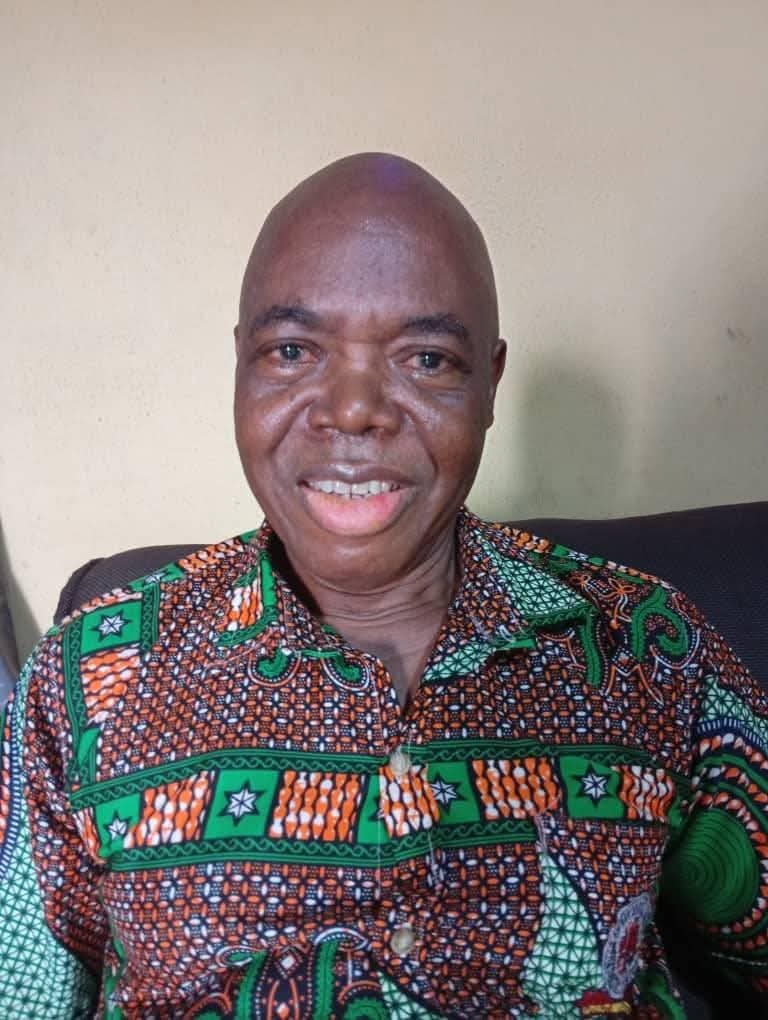
A journalist and public affairs analyst, Comrade Tony Masha, has called on the Federal Government to significantly increase funding for the education sector to ensure Nigeria’s public examination system remains accessible, efficient, and affordable for students and families.
Masha made the call while speaking on Trade FM’s Breakfast Business Briefing programme, where he analysed the government’s decision to suspend the proposed increase in the registration fees for the West African Examinations Council (WAEC) and the National Examinations Council (NECO).
The analyst said the suspension followed widespread public opposition, noting that increasing the fees from about 37,000 naira to 50,000 naira would have placed additional pressure on parents already struggling with rising economic challenges.
He said the government should view the reaction to the proposed increase as a warning sign and ensure that future education policies are introduced with proper consultation and consideration for citizens’ welfare.
Masha argued that suspending the fee increase does not address the fundamental funding challenges facing examination bodies, insisting that WAEC and NECO should be adequately financed through government resources rather than depending on candidates’ payments.
According to him, examination bodies are public institutions created to serve Nigerians and should not be treated as profit-making organisations.
He stressed that education remains a government responsibility and warned against policies that could make access to education increasingly difficult for ordinary Nigerians.
Masha expressed concern that further increases in examination fees could prevent students from low-income families from sitting for crucial examinations, thereby limiting their chances of progressing to higher institutions.
He said such policies could worsen the country’s education challenges by increasing the number of young people who are unable to continue their academic journey.
The public affairs analyst also identified rising living costs, declining household incomes, and the broader economic situation as major factors making education increasingly expensive for Nigerian families.
He urged the government to increase budgetary allocation to education, noting that stronger funding would enable schools and examination bodies to operate effectively without transferring costs to parents.
Masha recommended that the Federal Government adopt measures already being implemented by some state governments, where examination fees for students are paid through public funds.
He also called for broader stakeholder engagement before introducing major education reforms, stressing that parents, schools, examination bodies, trade unions, civil society organisations, and community leaders should be involved in policy discussions.
According to him, consultation and dialogue are essential in building public confidence and ensuring that education policies reflect the realities faced by Nigerians.
Masha maintained that sustainable reforms in Nigeria’s examination system must focus on improved funding, accountability, and reducing the financial burden on students and their families.
He added that increased investment in education would not only strengthen examination processes but also contribute to national development by preparing young Nigerians for future opportunities.
