

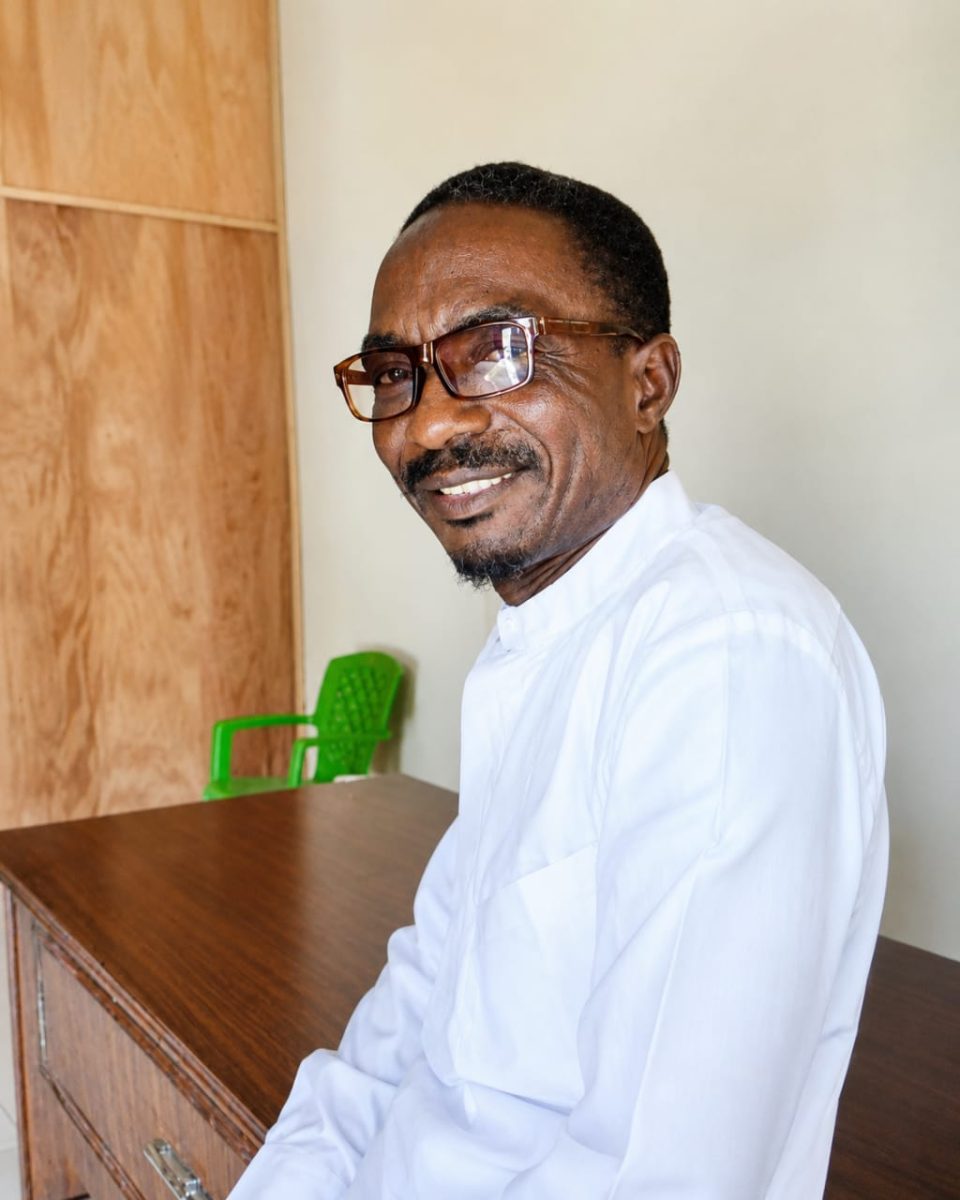
The Secretary-General of the Academic Staff Union of Secondary Schools (ASUSS), Comrade Kenneth Chukwudi Okoh, has warned that Nigeria’s secondary education system faces an uncertain future unless governments at all levels urgently address insecurity, inadequate funding, poor teachers’ welfare and declining parental involvement.
Speaking on Trade FM’s Business of Learning, Okoh described school insecurity as both a security and education crisis, saying attacks on schools have disrupted teaching and learning while creating fear among parents, teachers and students.
According to him, the worsening security situation is discouraging many parents from sending their children to school and, if left unchecked, could result in increasingly empty classrooms across the country.
“It has become obvious that insecurity has greatly disturbed teaching and learning. Parents are becoming afraid to send their children to school, and if the situation continues, our educational system may begin to witness empty classrooms,” he said.
To address the challenge, the ASUSS leader called on the federal and state governments to establish a special school security squad dedicated solely to protecting schools, teachers and learners.
He argued that providing adequate security would boost teachers’ confidence and improve their willingness to perform their duties without fear.
Beyond insecurity, Okoh identified poor remuneration as one of the greatest obstacles to quality education, insisting that teachers remain among the least rewarded professionals despite their critical role in producing the nation’s workforce.
He said teachers deserve salaries and welfare packages that reflect their contribution to national development, noting that better remuneration would improve productivity and attract more qualified graduates into the profession.
“We are always told that teachers produce every other profession, yet that recognition is not reflected in our remuneration. Until governments genuinely prioritise teachers’ welfare, the education system cannot achieve its full potential,” he stated.
Okoh also lamented the poor state of infrastructure in many secondary schools, saying numerous classrooms remain dilapidated, laboratories are poorly equipped and many learning facilities are either obsolete or non-existent.
According to him, while some state governments have invested in school infrastructure, many schools still lack functional science laboratories, language laboratories, archives and other essential teaching facilities needed to meet modern educational standards.
He noted that teachers perform better in environments equipped with adequate instructional materials and conducive learning facilities.
Commenting on government investment in education, Okoh said budgetary allocations to the sector have historically remained inadequate.
Although he did not provide specific figures, he maintained that education budgets over the years have failed to demonstrate a genuine commitment to transforming the country’s education system.
“The history of budgetary allocation to education does not reflect any serious intention to improve the sector. Funding has remained consistently low,” he said.
On ASUSS’ advocacy efforts, Okoh said the union has recorded some achievements in advancing teachers’ welfare.
He noted that teachers can now occupy positions such as Permanent Secretary and Tutor-General in several states, while the union has also participated in minimum wage negotiations that have improved salaries for teachers and other public servants.
However, he stressed that poor remuneration continues to discourage many young graduates from embracing teaching as a career.
According to him, many unemployed graduates deliberately avoid teaching because they consider it financially unattractive.
“If teachers earned competitive salaries, many graduates would willingly choose the profession. The major reason people avoid teaching today is poor remuneration,” he said.
The ASUSS secretary-general also dismissed the notion that technology alone can solve the country’s educational challenges.
He argued that digital learning tools must be supported by improved infrastructure, adequate teaching materials, better teacher welfare and enhanced security to produce meaningful improvements in learning outcomes.
“There is no single solution to improving education. Technology is important, but it cannot replace adequate funding, infrastructure, quality learning materials, proper remuneration and a secure learning environment,” he added.
Okoh further blamed declining parental involvement for some of the behavioural challenges confronting schools.
He said many parents have neglected their responsibilities, leaving teachers to deal with character and disciplinary issues that should ordinarily be addressed at home.
According to him, many children now grow up with biological parents but without effective parenting, making the work of teachers more difficult.
He warned that the consequences of years of neglect are already evident in the declining quality of graduates entering different professions.
Okoh cited instances of university graduates struggling with basic spelling and communication skills as evidence that falling educational standards are already affecting the country’s workforce.
“The effects of poor investment in education are already here. We are seeing graduates who struggle with basic communication skills. If nothing changes, the situation will only get worse,” he warned.
He called on policymakers, education stakeholders, parents and communities to work together to restore confidence in Nigeria’s education system through improved funding, stronger school security, better teacher welfare, modern learning facilities and responsible parenting.
Okoh maintained that only a coordinated approach involving government, schools, families and communities would guarantee a more secure and productive future for secondary education in Nigeria.
