

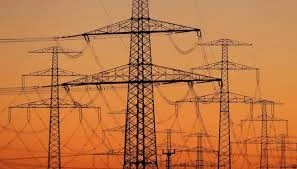
Nigeria’s electricity transmission system recorded losses estimated at N2.61 billion in the first quarter of 2026 after the Transmission Company of Nigeria (TCN) failed to meet the transmission efficiency target set by the Nigerian Electricity Regulatory Commission (NERC).
According to NERC’s latest first-quarter report, the country’s Transmission Loss Factor (TLF) rose to 7.96 per cent, exceeding the regulatory benchmark of 7.00 per cent under the Multi-Year Tariff Order (MYTO).
The commission explained that the Transmission Loss Factor measures the amount of electricity generated but not delivered to electricity distribution companies (DisCos) or international customers due to losses within the transmission network or energy consumed at transmission facilities.
NERC noted that the higher the TLF, the lower the efficiency of the transmission system. During the review period, nearly eight megawatt-hours of electricity out of every 100 megawatt-hours generated failed to reach customers.
The report revealed that the estimated N2.61 billion loss consisted of N257.91 million linked directly to transmission losses and about N2.35 billion in penalties payable to electricity generation companies (GenCos). The figure does not include additional penalties that may have resulted from under-delivery of electricity to distribution companies.
Although the latest loss was lower than the N3.13 billion recorded in the final quarter of 2025, NERC said transmission performance declined compared to the previous quarter when the TLF stood at 7.27 per cent.
The commission stressed that losses above the approved benchmark cannot be passed on to electricity consumers, meaning TCN must absorb the financial impact.
Beyond the financial losses, the regulator expressed concern over worsening grid stability during the quarter. It reported increased fluctuations in system frequency, with the average lower frequency dropping to 49.11Hz and the average upper frequency rising to 50.72Hz, exceeding the standard operating range specified in the national grid code.
NERC warned that unstable frequency could negatively affect electricity quality, particularly for industries that rely on sensitive equipment designed to operate within strict power limits.
The report also highlighted persistent voltage fluctuations across the transmission network. While the approved operating range for the national grid is between 313.50kV and 346.50kV, actual operating voltages ranged from 304.21kV to 349.88kV during the quarter.
According to the commission, irregular voltage levels, including spikes, dips, flickers and brownouts, can damage electrical equipment, disrupt industrial operations and force businesses to depend on alternative power sources.
NERC said the latest findings underscore the continued operational challenges facing Nigeria’s electricity transmission network, despite ongoing investments aimed at improving grid reliability and overall power supply.
