

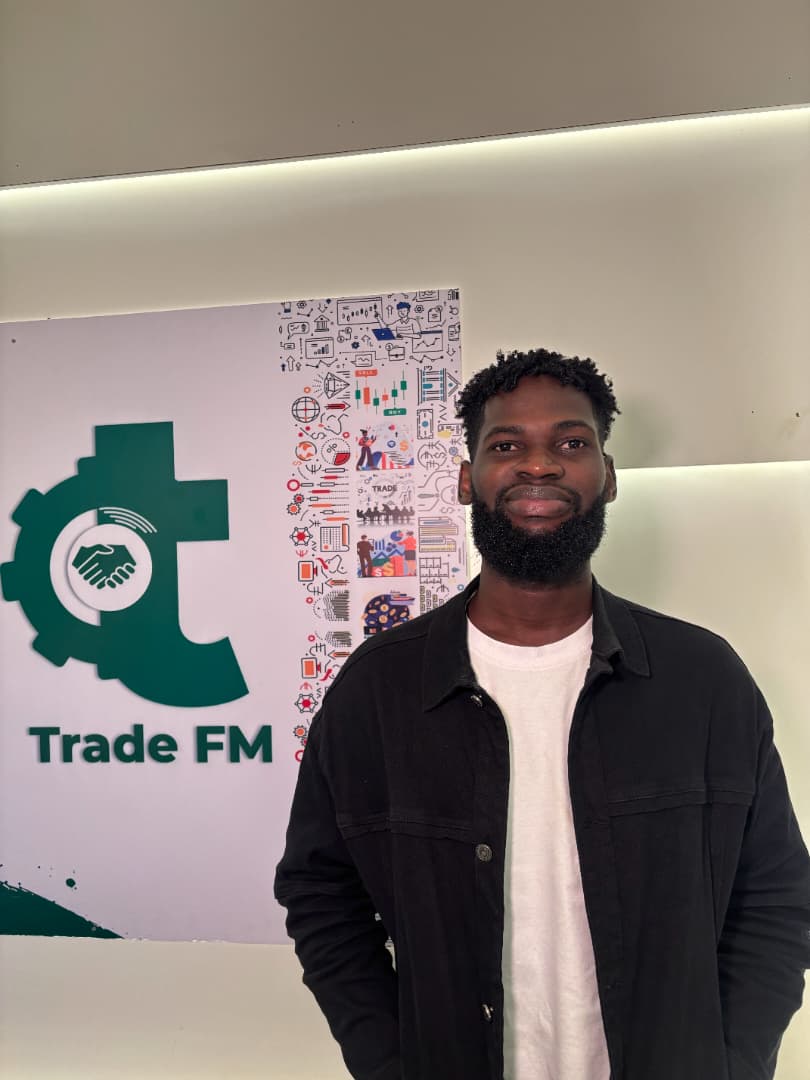
Paper artist Deolu Femi has highlighted the enduring importance of paper as a powerful medium for preserving memories, culture, and human experiences, arguing that traditional paper art continues to offer emotional depth that technology cannot replicate.
Femi spoke on Trade FM’s Breakfast Business Briefing, where he discussed the role of paper art in documenting personal experiences, preserving cultural heritage, and keeping human stories alive across generations.
According to him, paper has remained central to people’s lives because it preserves significant moments through certificates, letters, photographs, journals, receipts, and other personal documents.
He described paper as an archive of human experiences, helping individuals and families preserve stories that might otherwise be forgotten over time.
Femi explained that while written records document historical events, art goes further by capturing emotions and personal perspectives, allowing different artists to interpret the same subject in unique ways.
Drawing from his own work, he referenced his Boy Child Experience series, which explores themes such as resilience, vulnerability, and responsibility through observations of childhood experiences rather than personal autobiography.
The artist noted that his creative process is inspired by often-overlooked aspects of everyday life. He said recurring conversations, emotions, and social experiences frequently become the foundation of new works.
Despite the rise of digital photography, artificial intelligence, and online archives, Femi maintained that paper-based artworks remain relevant because they carry a human touch that cannot be replicated digitally.
He noted that viewing artworks in person allows audiences to appreciate the intricate layers, craftsmanship, and time invested in creating them, qualities that are often difficult to convey through digital images.
Known for his distinctive paper-layering technique, Femi explained that he builds his works in multiple layers to reflect how memories are formed over time. He also described human skin as “a living archive,” saying it permanently records life’s experiences and serves as a key inspiration for his artistic philosophy.
The artist dismissed concerns that digital art and NFTs would replace traditional paper art, describing NFTs as a passing trend while emphasizing that original works on paper continue to retain historical, cultural, and financial value.
Referencing renowned artists such as Pablo Picasso and Jean-Michel Basquiat, he noted that even rough sketches and unfinished drawings have become highly valuable over time because they document the creative process.
Femi encouraged young artists to document their lives and communities through any artistic medium available to them, stressing that creativity extends beyond drawing and painting into fashion, design, and other forms of expression.
On preserving paper artworks, he advised collectors to use acid-free paper, protect works from humidity and direct sunlight, store them in archival materials, and regularly inspect them for signs of damage, particularly in environments affected by damp walls and mould.
He also argued that photographs and artworks serve different purposes, explaining that while photographs capture a moment in time, artworks interpret emotions and reveal meanings beyond what the eye immediately sees.
According to him, galleries and museums remain essential despite the popularity of social media because viewing artworks in person allows audiences to appreciate texture, depth, and craftsmanship while engaging directly with artists through exhibitions and conversations.
Femi further called on museums, schools, and cultural institutions to support artists through grants, exhibitions, workshops, and artist talks, saying such initiatives help preserve cultural heritage and deepen public appreciation of paper-based storytelling.
Reflecting on the significance of paper, he said documents ranging from birth certificates and school records to handwritten letters and family receipts tell stories of humanity’s triumphs and struggles.
“If paper could speak, it would tell the stories of our greatest achievements and our greatest struggles,” he said.
