

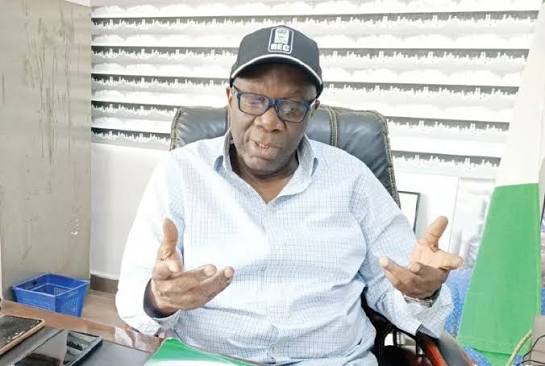
The Resident Electoral Commissioner in Ekiti State, Dr Bunmi Omoseyindemi, says the Independent National Electoral Commission is fully prepared for the June 20 governorship election, with BVAS machines ready and personnel adequately trained. In this interview with ABIODUN NEJO, he speaks on the commission’s preparations, voter apathy, the threat of fake news, election security and assurances of a credible, transparent and peaceful poll
The Ekiti election is two days away. How far has INEC gone with preparations for the exercise?
We have done most of the things we need to do. The only things we are waiting for are the sensitive materials and the conduct of the election. Every other thing is set.
What arrangements have you made for people with disabilities?
We have done a lot of sensitisation for them. They have even been part of the people going around as Civil Society Organisations to mobilise their members. We have the braille ready, as well as all other facilities that will assist people with disabilities.What is the total number of registered voters for the poll, and are there concerns about voter apathy?
There are 1,059,063 registered voters. When you talk about voter apathy, it is the responsibility of people, as citizens, to come out and vote. As much as possible, we want people to come and vote, but you cannot force them unless there is a law that makes voting mandatory. To vote or not to vote is a matter of choice. In some other countries, however, if you do not participate in the electoral process, there are certain benefits you will not get. So, voter apathy is an issue for citizens, while INEC has the duty to conduct elections. However, there are a lot of uncollected PVCs at INEC offices. That is why when people talk about low voter turnout or voter apathy, most times it is based on the total number of registered voters instead of the number of PVCs collected. The number of PVCs collected is different from the number of registered voters. It is the number of people who collected their voter cards that will determine the percentage of people who voted. For instance, if we have one million registered voters, how many of them collected their voter cards? The uncollected cards are there; either some of the owners have passed on or some people have changed location.
PUNCH
