
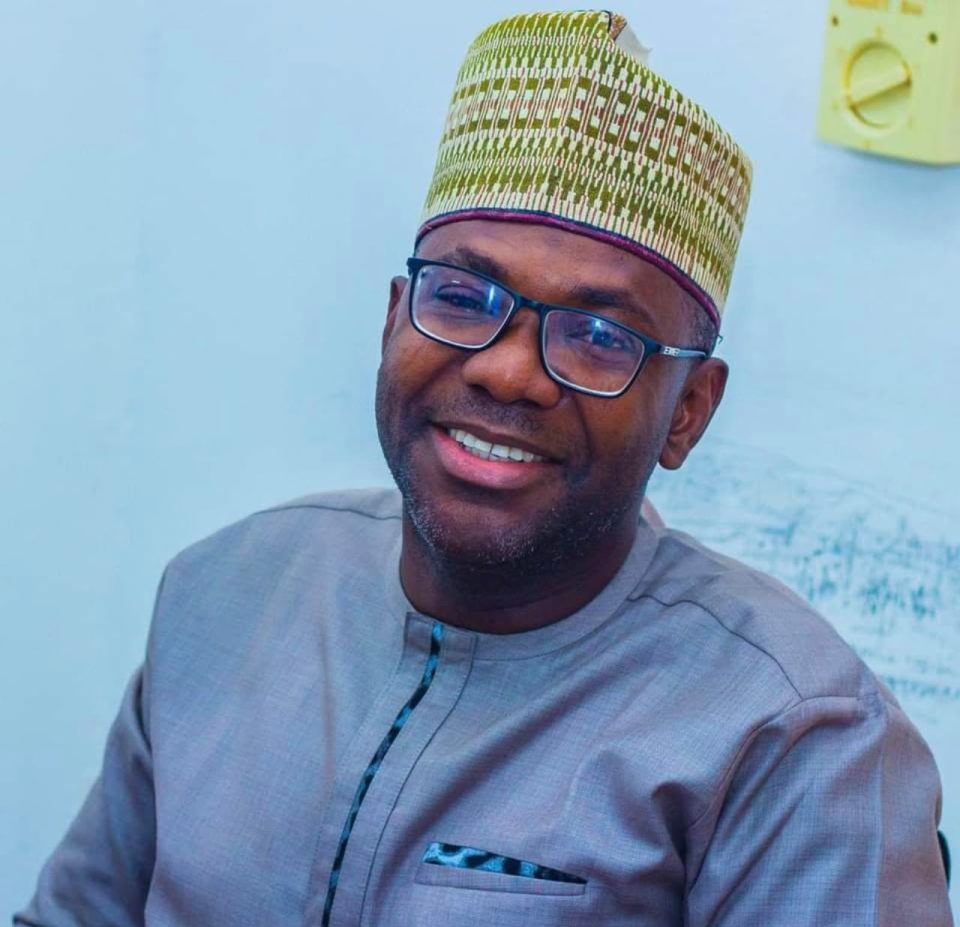
Tunde Salman has called for increased investment in electricity metering, transparent billing practices and stronger regulatory oversight to protect consumers and improve the financial sustainability of Nigeria’s power sector.
Salman, speaking on the challenges facing electricity consumers, said the continued reliance on estimated billing leaves customers vulnerable to charges that may not reflect their actual electricity consumption.
He argued that universal metering would improve accountability between electricity distribution companies (DisCos) and consumers, allowing both parties to monitor energy usage more accurately and reducing disputes over electricity bills.
According to him, it is unfair for unmetered customers to bear the burden of revenue shortfalls through estimated charges, particularly when they have little control over how those bills are calculated.
Salman also identified inadequate funding, limited technical capacity, policy inconsistencies and outstanding debts across the power sector as major obstacles slowing meter deployment.
He noted that although DisCos are expected to play a central role in providing meters, many face financial and management challenges that limit their ability to expand metering coverage. He therefore called for coordinated intervention involving the government, financial institutions, development partners and other industry stakeholders.
The electricity consumer advocate also proposed flexible payment arrangements for customers who cannot afford the full cost of a meter upfront. Under such a system, consumers could receive meters and repay the cost gradually through their electricity purchases.
Salman said this approach would make metering more accessible to low-income households while helping distribution companies recover their investments over time.
He further raised concerns about the usability of some prepaid metering systems, citing complaints from consumers who reportedly have difficulty recharging their meters when electricity supply is unavailable. He called for more customer-friendly technological solutions.
On billing transparency, Salman drew from his personal experience with estimated billing, explaining that he had previously challenged charges issued by the Abuja Electricity Distribution Company (AEDC) despite having formally notified the company of his absence and requested that electricity not be supplied during that period.
He said the experience reinforced the importance of consumer awareness and access to effective complaint-resolution mechanisms.
The advocate also identified the rising cost of living and inflation as factors affecting customers’ ability to pay electricity bills. He added that the growing use of generators and solar power systems was changing consumer dependence on distribution companies, particularly in areas where electricity supply remains unreliable.
Salman attributed differences in metering performance among DisCos partly to geographical and economic factors, including customer concentration, energy consumption patterns and the ability of consumers to pay. He, however, stressed the need for government intervention to ensure a more equitable distribution of meters across the country.
He called for greater transparency in government-backed metering initiatives and funding arrangements, while emphasising the importance of implementing electricity-sector reforms and strengthening consumer protection under Nigeria’s Electricity Act.
He also urged the Nigerian Electricity Regulatory Commission (NERC), state electricity regulators and consumer advocacy groups to improve complaint handling, respond more quickly to customer grievances and monitor DisCos’ compliance with their obligations.
Salman further called on the National Assembly to deepen its oversight of the electricity industry, particularly by ensuring that distribution companies meet their metering commitments and are held accountable for delays.
He maintained that closing Nigeria’s metering gap would require sustained financing, consistent policies, effective regulation and cooperation among all stakeholders.
He said accurate metering remains essential to achieving fair electricity billing, rebuilding consumer confidence and establishing a more transparent and financially sustainable power sector.
