

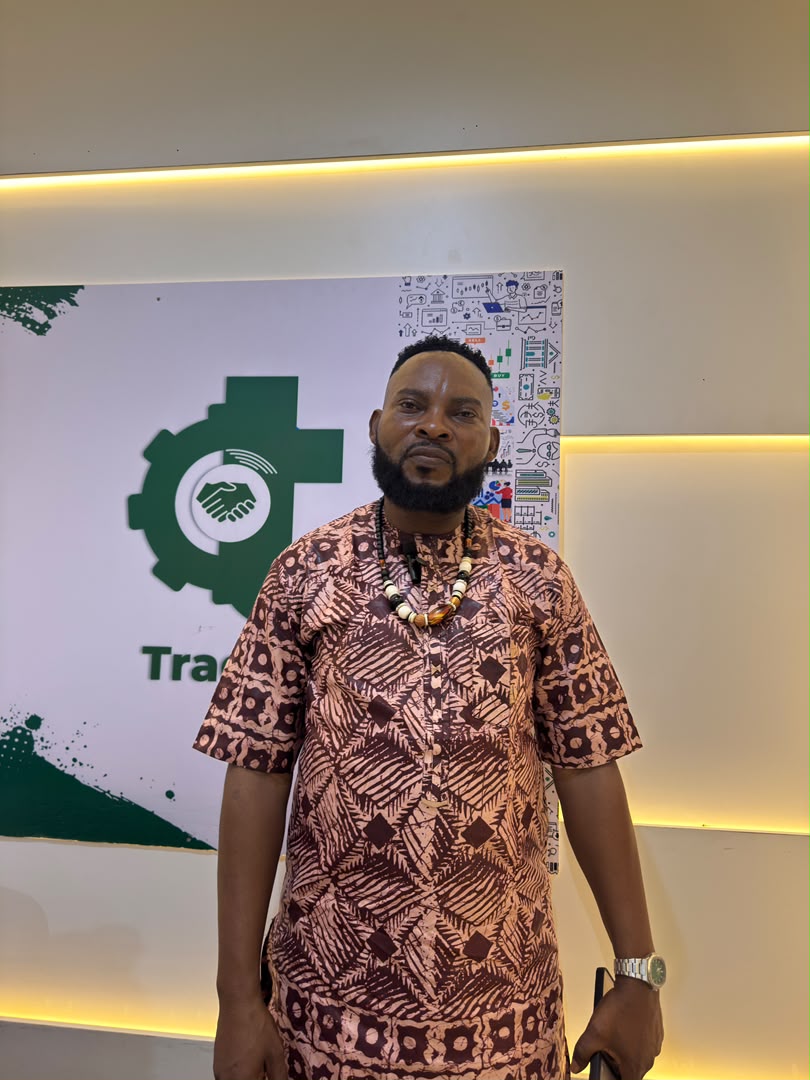
The Lagos State Chairman of the Amalgamated Union of App-Based Transporters of Nigeria (AUTON), Comrade Jaiyesimi Azeez, popularly known as Makavelli, has accused e-hailing platforms of imposing unsustainable fares and commissions on drivers, warning that the ongoing indefinite strike will continue until their demands are addressed.
Azeez, who spoke on the Ask the Expert segment of Trade FM’s Breakfast Business Briefing, said drivers operating on Bolt and InDrive had withdrawn their services to protest what he described as unfair pricing practices, poor earnings and the absence of meaningful consultation with drivers over the cost of their services.
He said the industrial action was not directed at passengers or fellow drivers but at the companies operating the digital platforms through which drivers connect with customers.
According to him, drivers provide their vehicles, purchase fuel, maintain their cars and bear the risks associated with transporting passengers, yet have little control over fares and the commissions deducted by the platforms.
“We are not against our passengers, which we call riders. We are also not at war with our fellow drivers. We are at war with the application companies,” he said.
Azeez argued that the current pricing structure had made it increasingly difficult for drivers to earn a decent living, adding that the platforms’ fares did not adequately reflect the rising costs of fuel, vehicle parts, repairs and general living expenses.
He maintained that drivers deserved a dignified wage and a place in decisions affecting their livelihoods.
“We need to sit at the table. We need to have collective bargaining. We need to be part of the decision-making process on the pricing mechanism of our business. It is our industry. We own it,” he said.
Drivers complain of low fares and high operating costs
Explaining the financial difficulties confronting drivers, the union chairman said the earnings from individual trips were often insufficient to cover operating expenses, particularly fuel costs.
He cited an example of a driver using a vehicle worth about N15 million who could receive a trip fare of N1,500, leaving the driver with only N1,000 after deductions.
He also recalled that a member of the union purchased N60,000 worth of fuel shortly before the shutdown in an attempt to earn enough money to support his family.
According to Azeez, the situation has become more difficult because fares have not increased proportionately with fuel prices and other operating expenses.
He called on Bolt and InDrive to reduce their commissions and review fares to reflect prevailing economic realities.
“Reduce your commission. Increase the fare,” he said, arguing that drivers should not be expected to shoulder the rising cost of transportation while the platforms retain control over pricing.
He added that many drivers operate vehicles purchased through loans or rented from fleet owners, leaving them under pressure to meet daily financial obligations.
Azeez said some drivers work late into the night and sleep inside their vehicles to meet their targets, often sacrificing time with their families.
He lamented that the pressure to earn enough money had affected drivers’ welfare, family relationships and ability to provide basic necessities for their children.
“We are responsible family men and responsible Nigerian citizens who have chosen to use what we have, which is a vehicle, to help the nation and the economy,” he said.
The union leader also called for welfare arrangements, including pension schemes, health maintenance organisation (HMO) coverage, vehicle repair assistance and access to affordable loans for drivers.
He argued that the platforms should reinvest more of the revenue generated through drivers into programmes that would improve their working conditions and financial security.
Union threatens to move drivers to indigenous platforms
Azeez disclosed that the union was considering moving its members away from the existing platforms to indigenous e-hailing applications that would accept its proposed terms and conditions for drivers.
He said the objective was not simply to replace foreign-owned companies with Nigerian businesses but also to encourage competition and prevent excessive concentration in the e-hailing market.
According to him, the union has identified several Nigerian-owned applications that could provide alternative platforms for drivers, with six reportedly ready to engage with the union.
He also claimed that there were 27 indigenous e-hailing application companies in the country, adding that the union had communicated its expectations to operators interested in attracting its members.
“We are ready to support any app company that is prepared to give drivers what they want, provide a dignified wage and put drivers first,” he said.
“The driver is the king. Wherever the driver is, that is where the rider will be.”
Azeez said the union would not invest directly in an application company but would support platforms that met its members’ demands and protected their interests.
He disclosed that Bolt had written to the union, adding that its executive council would consider the company’s communication before deciding whether to engage further.
However, he accused InDrive of failing to engage with the union and said the organisation wanted the company to leave Nigeria if it remained unwilling to address the drivers’ concerns.
He maintained that the union was prepared to continue the shutdown and migrate members to alternative platforms if negotiations with the existing operators failed.
AUATON says government agencies have been notified
The union chairman said the strike followed unsuccessful attempts to engage e-hailing companies over the drivers’ complaints.
He disclosed that the union had written to the Lagos State Government, the Lagos State Commissioner of Police, the Department of State Services, the Federal Road Safety Corps and the state Ministry of Transportation, among other agencies, to inform them about the planned industrial action.
According to him, letters were also sent to Bolt and InDrive to notify them of the union’s concerns and the possibility of a shutdown if the issues remained unresolved.
Azeez said the union had moved beyond repeated appeals and was now using a coordinated digital shutdown to demonstrate the collective strength of drivers.
He described the action as an indefinite strike, insisting that the union would not abandon it after a few days without meaningful progress.
He also announced plans for a peaceful procession and press briefing involving e-hailing drivers across Lagos, saying the union would communicate the meeting location to members and relevant authorities.
The chairman urged participating drivers to remain peaceful and avoid confrontations with colleagues who might be unaware of the strike.
“No violence. We are not touts. We are not criminals,” he said, urging members to convince other drivers through advocacy rather than intimidation.
He claimed that about 70 per cent of e-hailing drivers in Lagos were aware of the industrial action and said the union was receiving support from members in other states.
Azeez further claimed that the Nigeria Labour Congress had expressed support for the drivers’ demands.
Union raises concerns over safety and driver welfare
Beyond earnings and commissions, Azeez raised concerns about the safety of drivers and passengers using e-hailing services.
He alleged that inadequate passenger screening and weaknesses in driver verification had contributed to security concerns within the sector.
He also alleged that some individuals who were not members of the union had used e-hailing platforms to commit crimes, including robbery and sexual assault, warning against attributing the actions of individual offenders to all professional drivers.
The union chairman said the industry needed stronger safety measures and more effective engagement between platform operators and drivers to protect everyone using the services.
He also spoke about drivers who had allegedly died while working, citing the case of a driver identified as Taiwo, whom he said was murdered in Mushin after working to acquire a vehicle.
According to Azeez, the driver left behind a wife and three children.
He said the union had intervened to support affected families and had taken some of its concerns to the Lagos State House of Assembly, but expressed disappointment over what he described as insufficient progress in addressing the issues.
He called for greater government intervention, including measures to improve driver welfare and safety.
Azeez criticises Uber’s exit from Nigeria
The AUATON chairman also criticised Uber’s exit from the Nigerian market, describing it as unfortunate and alleging that the company left without adequately informing affected drivers and fleet partners.
He said some members had depended exclusively on Uber for their livelihoods and were left facing uncertainty following its departure.
Azeez also alleged that some drivers had outstanding financial concerns following the company’s exit and said he intended to pursue legal action over issues involving drivers’ funds and data.
He argued that competition among e-hailing companies should not be pursued by reducing fares to levels that undermine drivers’ earnings.
According to him, platforms that prioritise lower prices to attract passengers risk making it difficult for drivers to maintain their vehicles and support their families.
He said the ongoing strike demonstrated the impact drivers could have when they collectively withdrew their services.
Citing the experience of the shutdown, Azeez claimed that some areas of Lagos experienced a shortage of available Bolt rides as drivers logged off the platform.
He said the union hoped the disruption would persuade companies to recognise the importance of drivers to their operations.
Calls for indigenous technology investment
Azeez also called on Nigerian business leaders and investors to support the development of homegrown e-hailing platforms capable of competing with international operators.
He argued that Nigeria’s large population and growing demand for digital transportation services presented opportunities for local technology companies.
However, he stressed that indigenous ownership alone would not resolve the problems facing drivers unless local platforms adopted fair pricing policies and prioritised workers’ welfare.
He said the union was willing to support several competing applications, provided they met the conditions established to protect drivers.
“If there are 30 applications, the sky is big enough for all birds to fly,” he said, arguing that competition could give drivers more options and reduce their dependence on a few dominant platforms.
He added that the union wanted a transportation industry in which drivers could earn reasonable wages, access welfare support and participate in decisions affecting their work.
Drivers demand a place in pricing decisions
During the interview, Azeez said e-hailing had become a full-time occupation for many Nigerians who depended on it to pay rent, provide food and send their children to school.
He argued that the sector should be treated as a source of livelihood rather than an arrangement in which drivers bear most of the operational risks without adequate protection.
The chairman said drivers wanted a system in which they could complete fewer trips while earning enough to support their families, rather than working excessively long hours to meet daily financial targets.
“I should be able to do three or four trips, earn a good wage, go home to my family and be able to buy shawarma for my children and my wife,” he said.
He added that the union’s demands were intended to secure better working conditions for both full-time and part-time drivers.
Azeez urged members not to allow divisions to weaken the industrial action, describing the shutdown as an opportunity for drivers to negotiate collectively with the platforms.
He said the union would continue to withdraw its members’ services from Bolt and InDrive until their concerns were addressed and drivers were given a meaningful role in determining fares and other conditions of service.
The union chairman concluded by reiterating that the shutdown involved drivers logging off e-hailing applications across Lagos, while urging members to remain united and participate peacefully in the planned activities.
As of the conclusion of the interview on Trade FM’s Breakfast Business Briefing, Azeez maintained that the strike would continue and that the union was prepared to move its members to alternative platforms if negotiations with the existing companies failed.
The allegations and demands raised by the union chairman reflect the union’s position as presented during the interview. Responses from Bolt, InDrive and the relevant government authorities were not included in the interview transcript.
