

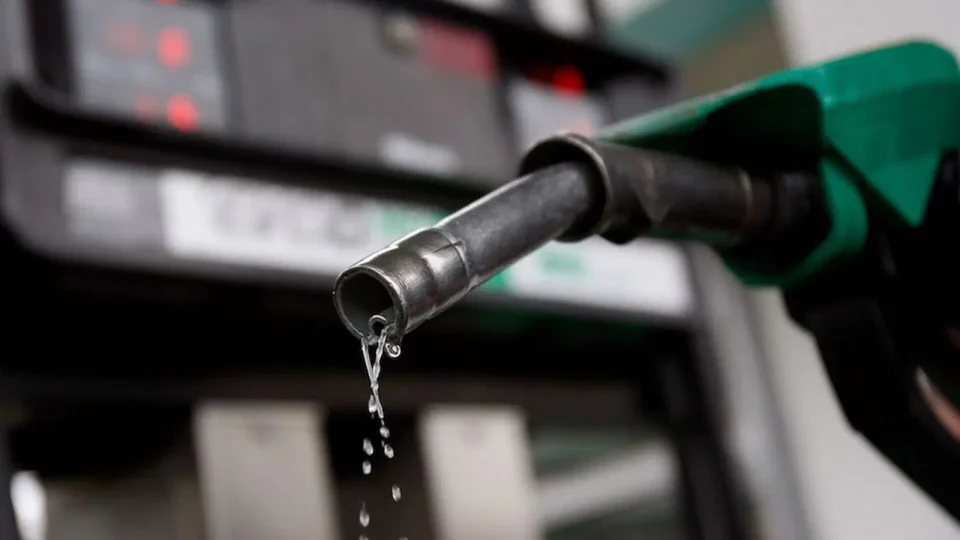
Oil marketers have indicated that petrol and other petroleum-product prices in Nigeria could rise following a sharp increase in international crude oil prices, with major benchmarks climbing above $100 per barrel.
The development has also prompted calls for the Federal Government to take steps to cushion consumers and businesses from the possible impact of higher energy costs.
The OPEC Basket, which includes Nigeria’s Bonny Light, rose above $100 per barrel from more than $95, representing an increase of about 5.2 per cent.
Meanwhile, Brent crude stood at $100.60 per barrel, up 2.77 per cent from $97, while Murban crude increased by 6.83 per cent to $118.30 per barrel, according to data from Oilprice.com.
The increase has been linked to escalating tensions in the Middle East and concerns about possible disruptions to global oil supplies.
The development is raising concerns over its potential impact on fuel prices, businesses and consumers in Nigeria.
Joseph Ehimen, Lagos State Chairman of the Petroleum Products Retail Outlets Owners Association of Nigeria, PETROAN, said marketers would review pump prices after their next purchases, with the new prices determined by market conditions and other costs, including transportation to filling stations.
Nigeria’s lower output could limit gains
Despite the increase in crude prices, Nigeria’s ability to fully benefit from higher oil revenues could be constrained by lower production.
The latest OPEC Monthly Oil Market Report showed that Nigeria’s crude production, excluding condensates, dropped to 1.44 million barrels per day in July 2026, from 1.51 million barrels per day in June.
July’s output was also about 60,000 barrels per day below Nigeria’s implied production target of 1.50 million barrels per day.
Higher crude prices can boost government revenue and foreign-exchange inflows, but the extent of the benefit depends on how much crude Nigeria has available for export after domestic requirements and other obligations are met.
Experts warn of wider economic impact
Economist and communications expert Clifford Egbomeade said higher crude prices could immediately create a cost shock for the Nigerian economy.
He said increased crude prices could raise the cost of diesel, transportation, freight and other energy-intensive inputs, putting additional pressure on businesses and household incomes.
According to him, Nigeria could benefit from higher export earnings if increased oil revenues are properly managed and crude production is sustained.
Egbomeade also warned that a prolonged disruption to global oil supplies could increase transport and logistics costs and lead to further rises in the prices of goods and services, particularly with inflation and food prices already putting pressure on households.
He advised the Federal Government against returning to a broad petrol subsidy programme.
Instead, he called for the government to maximise additional oil revenue, reduce wasteful expenditure, improve foreign-exchange liquidity and ensure that Dangote and other operating refineries have access to domestic crude at commercially viable prices.
Calls for alternatives to fuel subsidy
Former Managing Director and Chief Executive Officer of 11 Plc, Adetunji Oyebanji, said Nigeria should focus on measures that can reduce the impact of rising fuel prices rather than reintroducing broad subsidies.
Oyebanji noted that crude prices were increasing internationally and that Nigeria, operating a deregulated downstream market, could not completely prevent the impact.
He suggested that the government should consider reducing transportation costs through measures such as subsidising public transport systems like the BRT, while also improving access to affordable government healthcare and education.
He further called for greater accountability at both federal and state levels, arguing that increased government revenues should translate into measures that improve living conditions for Nigerians.
Small businesses face higher operating costs
The President of the Association of Small Business Owners of Nigeria, Dr Femi Egbesola, described the increase in crude prices as a mixed development for Nigeria.
He said higher oil prices could increase government revenues and foreign-exchange inflows, but warned that the global energy shock could simultaneously increase transportation, logistics, production and operating expenses.
Egbesola said micro, small and medium-sized enterprises, MSMEs, could be particularly vulnerable because many are already dealing with high energy and financing costs.
He warned that if elevated crude prices persist, Nigerians could see higher transport fares, food distribution expenses, manufacturing costs and other prices.
He urged the government to use additional oil revenues to strengthen domestic fuel supply, accelerate local refining, reduce unnecessary taxes and levies on productive businesses and invest transparently in infrastructure and energy.
Petrol prices remain relatively stable
Despite the international crude-price increase, midday market data showed that petrol prices in Lagos remained largely between ₦1,266 and ₦1,300 per litre.
Dangote Refinery retained its depot price at ₦1,266 per litre, while MRS was at ₦1,267 and NIPCO at ₦1,280.
Some depots recorded increases, with A.A. Rano rising by ₦2 to ₦1,272 per litre, Aiteo increasing by ₦5 to ₦1,275, and ASCON and Integrated each rising by ₦10 to ₦1,280.
Bono recorded the largest increase, moving up by ₦30 to ₦1,300 per litre, while Pinnacle increased by ₦7 to ₦1,273.
The relatively modest changes suggest that the increase in global crude prices has not yet been fully reflected in the domestic petrol market. However, sustained high crude prices could eventually affect refinery feedstock, replacement costs, freight and other parts of the petroleum supply chain.
FG urged to intervene
The National President of the Oil and Gas Services Providers Association of Nigeria, Mazi Colman Obasi, urged the Federal Government to take early action to protect households and businesses from higher energy costs.
Obasi called for stronger domestic refining capacity, sufficient crude supply to Nigerian refineries and improved distribution infrastructure to reduce costs across the supply chain.
He also advocated targeted assistance for vulnerable households and sectors that are particularly exposed to increases in fuel and transportation costs.
According to him, investments in public transportation, gas and alternative energy sources should also be accelerated to reduce Nigeria’s dependence on petrol.
Higher oil prices could worsen inflation
The Managing Director of Highcap Securities, David Adonri, warned that rising crude prices could further fuel inflation through several channels.
Adonri said Nigeria faced the challenge of mitigating the immediate impact of higher energy costs while also pursuing sustainable long-term economic development.
He noted that the government’s difficult financial position could limit its ability to absorb the additional costs on behalf of consumers, meaning households could bear part of the burden in the short term.
However, he said investing additional oil revenue in financial assets and using the returns effectively could help finance productive infrastructure, create jobs and reduce poverty over the longer term.
Source: Vanguard
