
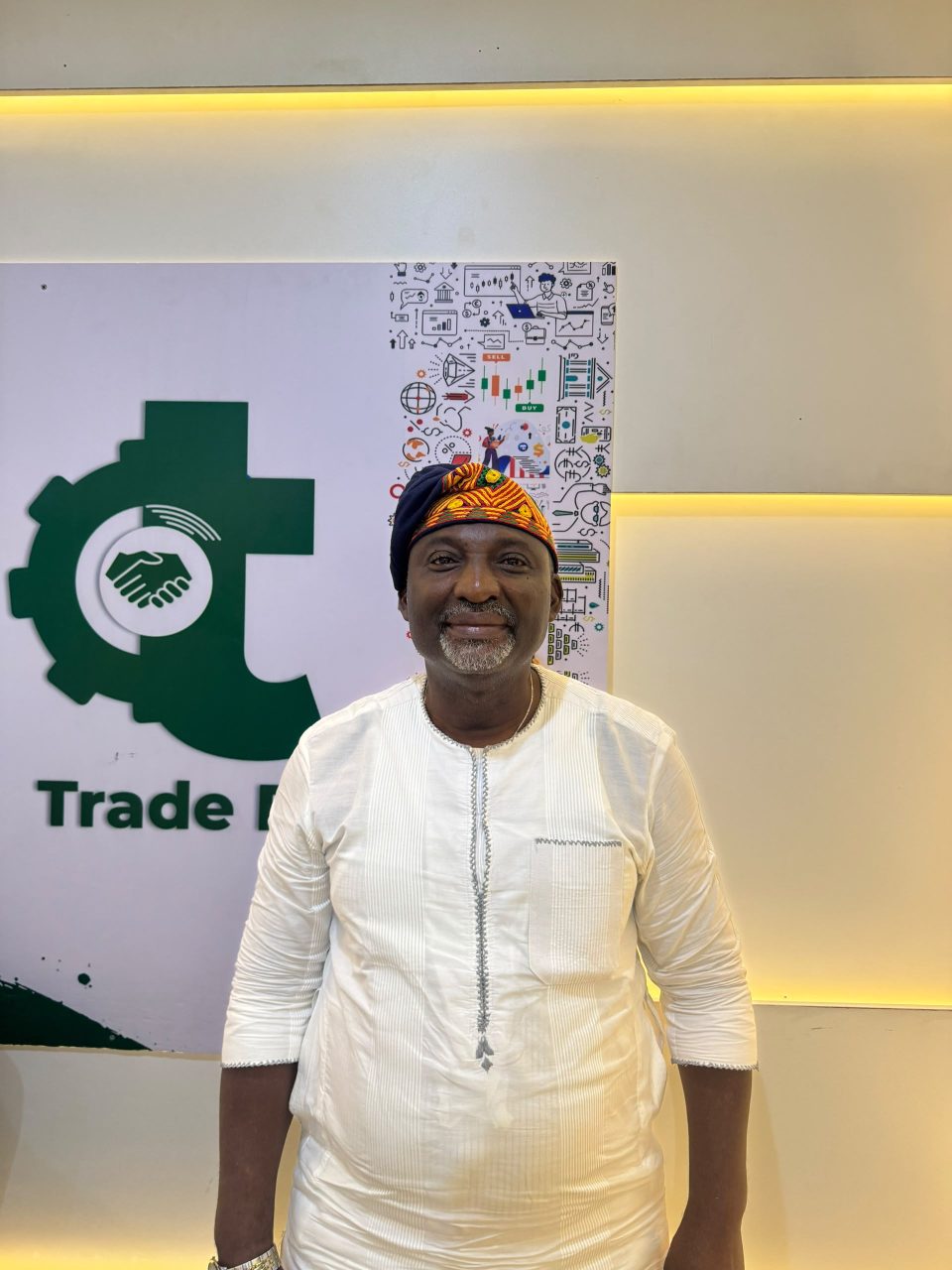
A safety expert, Mr Adeyinka Adebiyi, has called on businesses and organisations in Lagos to move beyond treating safety as a requirement for inspections and make it an integral part of their daily operations.
Adebiyi, a safety consultant and former Director of Public Safety and Well-being at the Lagos State Safety Commission, made the call while speaking on the Ask the Expert segment of Trade FM’s Breakfast Business Briefing.
He said safety encompasses both public and occupational safety, covering areas such as roads, event centres, homes, construction sites and workplaces.
According to him, the primary responsibility of safety professionals is to protect lives and property and ensure that workers who arrive safely at their workplaces return home safely.
“The mandate of a safety person or a safety professional is to ensure that lives are protected, properties are protected, and those that come to work safely should be able to go back home safely.”
Adebiyi warned businesses against cutting corners or ignoring established safety procedures, saying such practices could result in accidents, injuries and fatalities.
He advised employers to establish safety management systems, conduct regular workplace inspections and identify and eliminate hazards before commencing tasks.
The safety expert also stressed the importance of proper training, workplace orientation and regular safety briefings, known as toolbox talks.
He said safety training should not be limited to the time employees are recruited, but should continue periodically throughout their employment.
“Safety in itself is not a one-off thing. When you start safety, it continues, continues, and doesn’t end.”
Adebiyi further urged management of organisations to demonstrate leadership in safety, noting that prioritising production and profit at the expense of workers’ wellbeing could ultimately disrupt business operations.
He said employers should ensure that equipment and machinery conform to required safety standards and that workers are provided with appropriate protective equipment.
On safety education, Adebiyi advocated introducing safety awareness to children at an early age, describing the approach as “catch them young.”
He said children who learn safety practices in school can also influence their parents and other members of their communities.
According to him, the establishment of health and safety clubs in secondary schools in Lagos is a positive step towards developing a safety-conscious generation.
The safety consultant also encouraged small and medium-sized enterprises, SMEs, which may find professional safety training expensive, to appoint safety champions within their organisations.
He said such individuals could receive training and subsequently educate other workers on basic safety practices.
Adebiyi added that businesses could also use platforms such as WhatsApp groups to share safety information and conduct regular internal safety discussions.
He noted that the Lagos State Government and the Lagos State Safety Commission have also provided free safety training for operators in some sectors, including hairdressers, caterers and tailors.
Adebiyi emphasised that safety is a shared responsibility, urging individuals to take personal responsibility for identifying and reporting hazards.
“Your own safety is in your hands. My safety is in my hands.”
He explained that a hazard does not automatically constitute an accident, but becomes dangerous when it is not identified and removed.
Speaking about his book, Essentials of Safety and Health, Adebiyi said he was motivated to write it after observing that many safety textbooks available were foreign and did not adequately reflect Nigeria’s environment.
He said the ten-chapter book addresses safety issues including domestic accidents, fire, LPG use, electrical safety, road safety, event-centre safety, first aid, transportation, computer safety and waterways.
Adebiyi also called for sustained attention to safety in Lagos amid the state’s growing population, construction activities and pressure on infrastructure.
He said the Lagos State Safety Commission conducts risk assessments and safety audits to identify hazards in workplaces and other facilities.
According to him, facilities found to pose high risks may be shut down immediately, while those with medium-level risks may be given a period to correct identified deficiencies.
He urged employers, workers and members of the public to embrace safety as a continuous responsibility rather than an obligation imposed by government regulators.
