

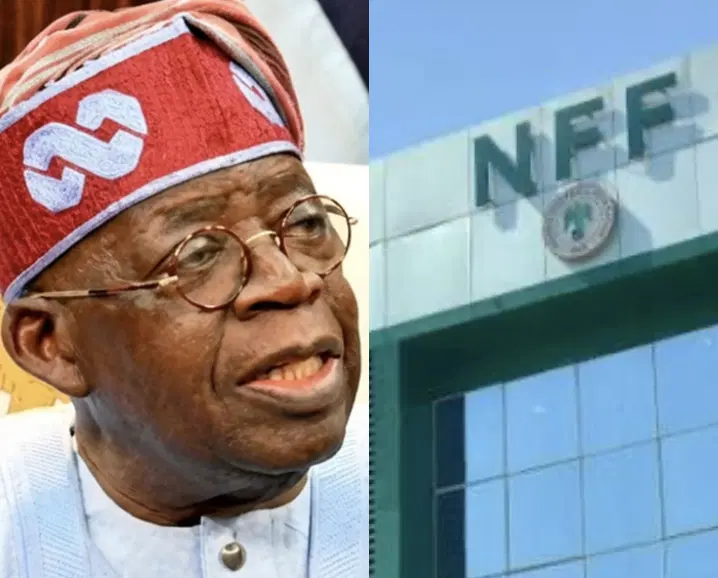
Nigeria’s continued absence from the FIFA World Cup has renewed calls for greater accountability in the country’s football administration, with critics contrasting the response of other nations to poor tournament performances with developments at home.
Across several countries that participated in the 2026 FIFA World Cup, football authorities moved swiftly after disappointing results. In Côte d’Ivoire, the Football Association president resigned after the team exited in the Round of 16. Senegal dismissed head coach Pape Thiaw following its Round of 32 elimination, while Algeria parted ways with Vladimir Petković after its exit.
Tunisia also replaced coach Sabri Lamouchi after a 5-1 defeat to Sweden in its opening group match, appointing Hervé Renard as his successor. Tunisian supporters also demanded major reforms within the country’s football federation.
Elsewhere, Portugal head coach Roberto Martínez resigned after his side was eliminated from the tournament, saying there was “no point in continuing” without winning the World Cup. Within days, the Portuguese Football Federation named Jorge Jesus as the team’s new manager on a four-year contract.
The article argues that these actions reflect a culture of accountability, where poor performances often result in leadership changes.
By contrast, Nigeria failed to qualify for both the 2022 and 2026 FIFA World Cups—missing the 2022 tournament to Ghana on away goals and falling to DR Congo on penalties in the CAF playoff for the 2026 edition. It marks the first time since 1994 that the Super Eagles have failed to qualify for two consecutive World Cups.
Despite those setbacks, the Nigeria Football Federation (NFF) leadership remains in office and is preparing for fresh elections scheduled for September 26, 2026, in Lafia, Nasarawa State. The federation has amended its statutes, constituted a 12-member Electoral Committee, and passed a vote of confidence in the executive committee led by Ibrahim Musa Gusau.
Several former football figures have criticised the situation. Ex-Super Eagles captain John Obi Mikel described the back-to-back World Cup failures as a “disaster” and called for the board’s resignation. Former international Segun Odegbami has repeatedly criticised the federation’s leadership, while journalist Tana Ayejina questioned what the current administration still has to offer Nigerian football.
Former international Efe Sodje blamed administrative shortcomings for the country’s inability to maximise its football potential, while striker Odion Ighalo said responsibility extends beyond the players to those managing the sport.
Former England and Chelsea defender John Terry also expressed disappointment over Nigeria’s absence from the World Cup, describing it as a significant loss to the tournament given the country’s football pedigree.
The commentary further notes that Segun Odegbami is considering legal action to challenge the forthcoming NFF elections, arguing that the current electoral process limits voting rights to state FA chairmen rather than the wider football community.
The article concludes that while other nations have embraced reforms after disappointing World Cup campaigns, Nigeria’s football leadership has remained unchanged despite consecutive qualification failures, leaving many supporters questioning whether meaningful reforms and greater accountability will follow.
