
Nigeria spent 920 million dollars servicing its external debt in the first two months of 2026, according to the latest report released by the Central Bank of Nigeria (CBN).
The report showed that the country paid 440 million dollars in January and 480 million dollars in February to meet its foreign loan obligations.
The CBN also reported a sharp rise in capital outflows during February, with total outflows increasing from 1.63 billion dollars in January to 2.75 billion dollars.
According to the apex bank, the increase was driven mainly by higher capital transfers, while foreign debt repayments also contributed significantly to the rise in outflows.
Debt servicing accounted for nearly 18 per cent of total capital outflows during the month under review.
The report further indicated that the banking sector recorded the largest share of capital outflows, followed by the financing sector, oil and gas, telecommunications and manufacturing.
Lagos accounted for the highest proportion of the capital outflows, while the Federal Capital Territory recorded the second-largest share.
Despite the increase in debt repayments and capital outflows, the CBN maintained that Nigeria’s external position remained stable.
The bank said the country recorded a stronger trade surplus and higher capital inflows, supported by lower import bills and increased capital transfers.
Nigeria’s external reserves also increased from 48.88 billion dollars in January to 50.12 billion dollars in February, providing import cover well above the internationally recommended minimum.
Earlier figures released by the CBN showed that Nigeria spent about 5.21 billion dollars servicing its foreign debt throughout 2025, representing an increase compared to the previous year.
Meanwhile, the International Monetary Fund (IMF) projects that Nigeria’s public external debt could rise from about 51.9 billion dollars in 2025 to 72.6 billion dollars by 2027.
The IMF also expects debt servicing costs to remain a major burden on government finances, with interest payments projected to consume more than half of the Federal Government’s revenue over the next few years.
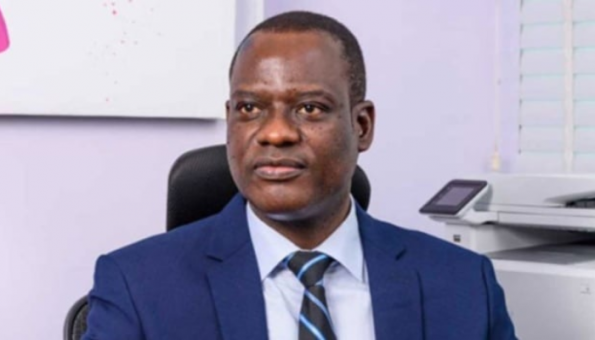
However, the Minister of Finance and Coordinating Minister of the Economy, Taiwo Oyedele, has defended government borrowing, arguing that loans used to finance productive projects that generate economic returns should be viewed as strategic investments rather than reckless spending.
