

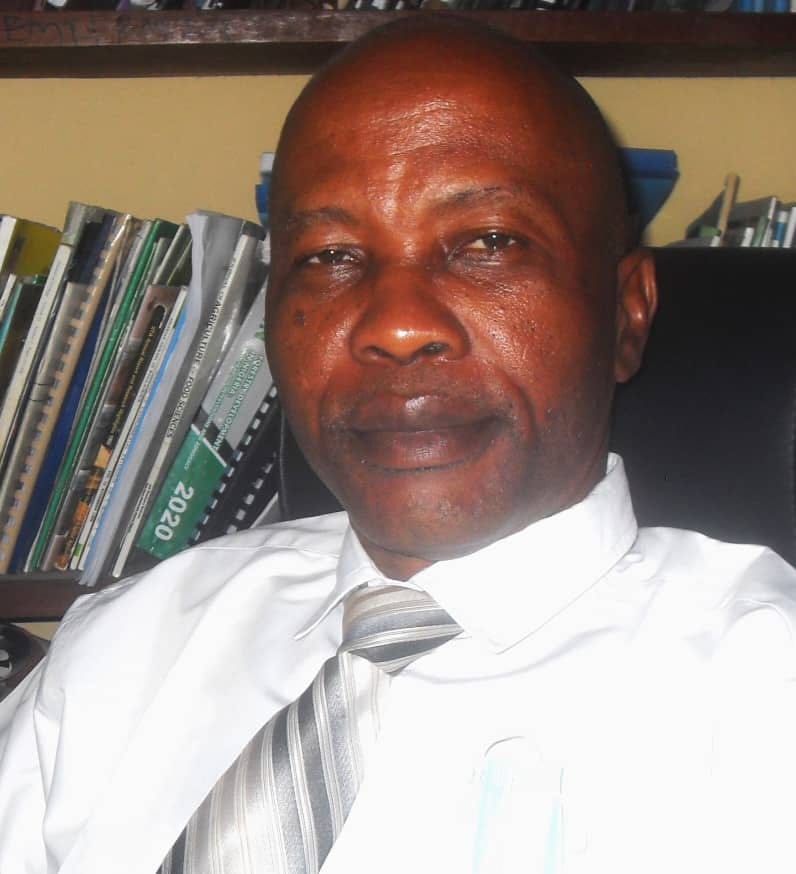
An environmental expert and Executive Director of the Nigerian Environmental Study Action Team (NEST), Professor Emmanuel Nzegbule, has called on Nigeria to move away from its reactive approach to flooding and invest in long-term climate adaptation and disaster preparedness.
Speaking on Trade FM’s Breakfast Business Briefing, Nzegbule said the country’s recurring floods are driven by a combination of climate change, rapid urbanisation, poor planning, blocked drainage systems and environmental degradation.
According to him, increased rainfall intensity and frequency linked to climate change have worsened flooding across the country, while unplanned settlements, indiscriminate waste disposal and construction on drainage channels have amplified the impact.
Although flooding is largely seasonal, he stressed that government responses should be proactive rather than emergency-driven.
“We know flooding will come, so we should prepare for it. Long-term planning, adequate funding, public awareness and climate-resilient infrastructure are essential to reducing its impact,” he said.
The professor identified weak planning, inadequate funding, limited emergency response capacity and poor coordination among government agencies as major shortcomings in Nigeria’s flood management strategy.
He also highlighted the importance of environmental conservation, noting that forests, wetlands and watersheds serve as natural flood buffers by slowing runoff and absorbing excess water. He urged governments at all levels to protect and restore these ecosystems through afforestation, reforestation and better environmental management.
Nzegbule further advocated stronger investment in climate adaptation measures, including improved drainage systems, flood-resistant infrastructure, accurate climate data and regular risk assessments. He called for the full implementation of Nigeria’s National Adaptation Plan and periodic reviews of climate policies to address emerging challenges.
The environmental expert encouraged rural communities to adopt climate-smart farming practices, avoid building in flood-prone areas and pay close attention to weather forecasts and early warning information.
He also stressed the need for sustained public education on flood risks, urging the media, government agencies and community leaders to intensify awareness campaigns to help Nigerians better prepare for extreme weather events.
Drawing lessons from countries such as Bangladesh and the Netherlands, Nzegbule said Nigeria could strengthen its flood resilience through better planning, investment in protective infrastructure, emergency preparedness and the adoption of innovative adaptation measures.
He warned that failing to invest in preparedness would expose the country to more destructive floods, greater displacement and increased damage to lives, livelihoods and infrastructure.
Nzegbule urged the Federal Government and state governments to prioritise the implementation of adaptation measures already outlined in the National Adaptation Plan, while expanding public awareness through timely dissemination of flood forecasts and early warning information from the Nigerian Meteorological Agency (NiMet).
