
Nigerians may soon pay more for electricity, following a federal government decision to end power subsidies and redirect spending toward infrastructure upgrades in the electricity sector.
The policy was outlined at the 2026 Service-Wide Budget Training held on the 2nd of February. Speaking at the event, the Director-General of the Budget Office, Tanimu Yakubu, said electricity subsidies would no longer be treated as an open-ended federal responsibility.
Under the 2026 budget framework, no funds have been allocated for tariff support. Yakubu said the decision reflects President Bola Ahmed Tinubu’s directive to enforce fiscal discipline and improve transparency in public spending.
Instead, the government is introducing a burden-sharing model. Any level of government—federal, state, or local—that chooses to keep electricity tariffs below cost-reflective levels will now be required to fund the subsidy directly from its own budget.
Officials say the change is aimed at ending opaque subsidy arrangements and preventing the buildup of unpaid obligations in the power market. Under the new system, subsidy costs are expected to be clearly defined, fully funded, and closely tracked.
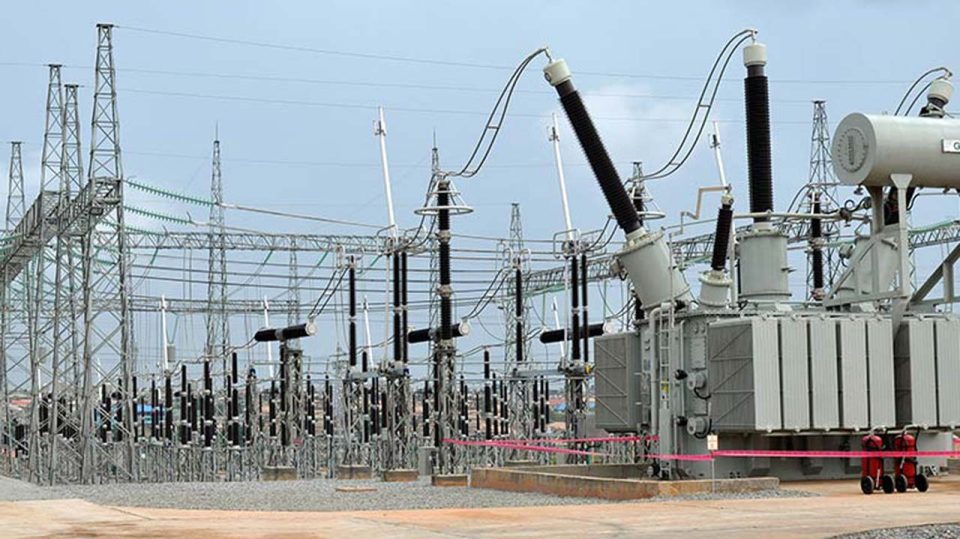
At the same time, the federal government says it is increasing capital investment in the power sector. About 1.1 trillion naira has been earmarked for transmission infrastructure upgrades and the completion of projects intended to reduce system failures and improve national grid stability.
Yakubu added that only projects considered delivery-ready—those with completed designs, cost estimates, and procurement plans—will be included in the 2026 capital budget.
The electricity reforms form part of the government’s broader “Single-Train” budget strategy, which consolidates ongoing and legacy projects into a single funding pipeline. Authorities say the approach is designed to improve accountability and ensure public spending delivers measurable results.
Federal Government Moves to End Electricity Subsidies