

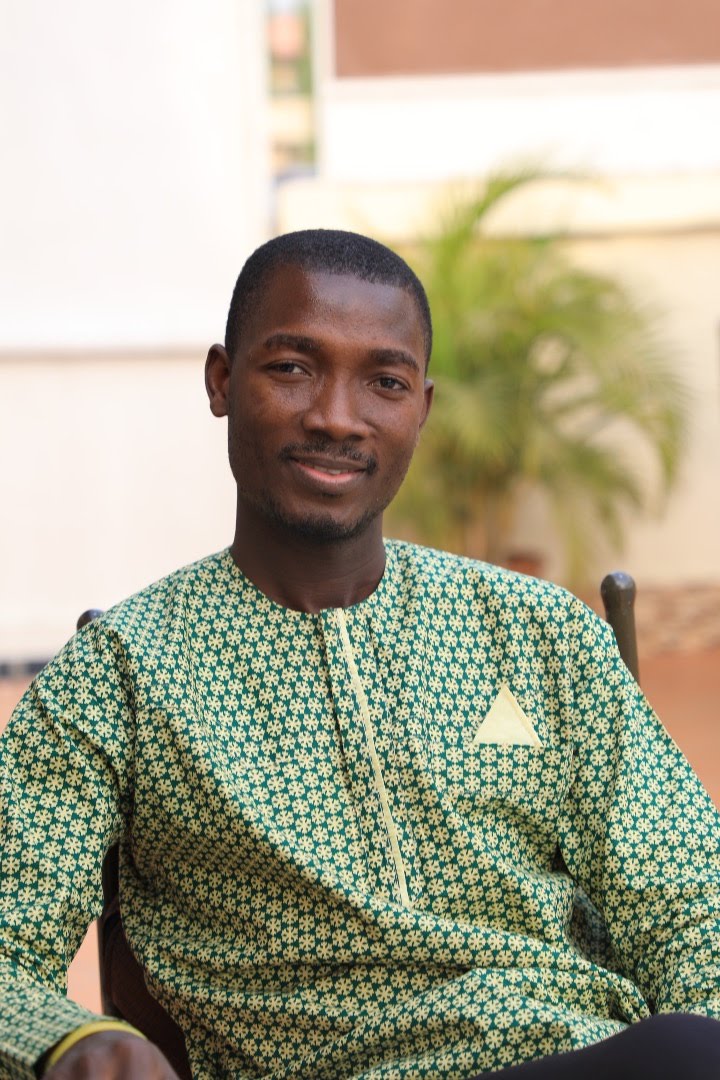
Business commentator David Lawal has called on the Federal Government to ensure that external borrowing is directed towards productive investments capable of improving economic growth, creating jobs and delivering lasting benefits to Nigerians.
Speaking during an interview on Trade FM, Lawal said Nigeria had largely borrowed to finance consumption, with limited impact on economic performance and the daily lives of citizens. He stressed the need to move towards borrowing that supports sustainable infrastructure development and generates long-term economic returns.
Lawal cited ongoing road construction along the Kaba–Obajana corridor as an example of infrastructure investment, noting that the use of concrete pavement could help improve road durability. He argued that the government should prioritise completing existing projects rather than starting new ones for political recognition, warning that abandoned projects undermine the value of public borrowing.
He also emphasised that infrastructure development alone would not guarantee economic progress without effective policies and consistent enforcement. According to him, the government must strengthen regulations, improve monitoring and implement policies that support job creation, business growth and a reduction in the cost of living.
On market regulation, Lawal called for measures to address significant price variations for goods and services across different locations. He also advocated stronger enforcement of policies guiding businesses, including employment practices, to ensure that local workers and entrepreneurs benefit from economic activity.
The business commentator further called for greater transparency in the management of public funds, urging the government to publish detailed information on projects financed through borrowing. He said such disclosures should include project locations, contractors, budgeted costs, funds released, financing arrangements, interest rates and expected completion dates.
Lawal recounted his experience participating in a government project-verification exercise in Abuja, where some projects recorded as completed in official documents reportedly had little or no evidence of execution on the ground.
He said independent verification and public access to project information would enable citizens to monitor implementation and determine whether communities were benefiting from government spending.
He also urged the government to introduce stricter accountability measures for contractors who repeatedly fail to deliver projects to the required standards, including blacklisting persistent defaulters.
Beyond the cost of infrastructure, Lawal said the government should disclose the expected economic benefits of each project, including the number of jobs to be created, its potential to attract investment and the extent to which it could reduce transportation costs and travel time.
He maintained that Nigerians needed sufficient information to assess whether the benefits of proposed projects justified the cost of borrowing.
On legislative oversight, Lawal urged the National Assembly to thoroughly scrutinise the Federal Government’s borrowing proposals before granting approval. He recommended that lawmakers engage relevant agencies, including the Budget Office and Debt Management Office, to establish the affordability, necessity and expected returns of proposed loans.
He also advocated public hearings and a phased approach to approving major borrowing plans, arguing that lawmakers should ensure projects are properly assessed and funded in a manner that limits the risk of mismanagement.
Lawal concluded that transparent borrowing, effective oversight and strict implementation of public policies were essential to ensuring that infrastructure investments translate into measurable economic benefits for Nigerians.
