

Human rights organisations and the African Action Congress, AAC, have backed the Nigerian Bar Association’s position that Nigerians should be allowed to record police officers while they are carrying out their duties in public.
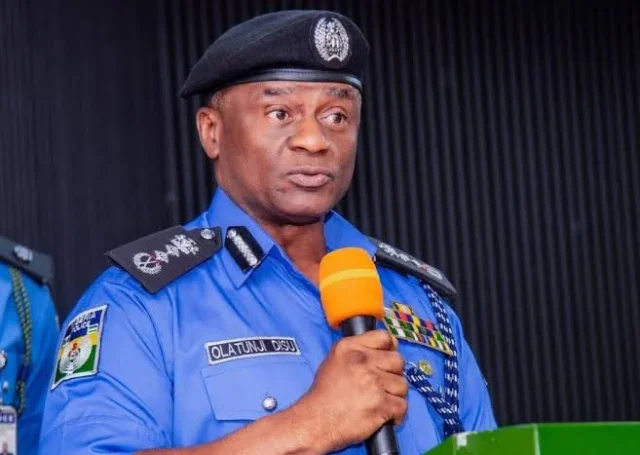
The debate followed a disagreement between the NBA President, Oyinkansola Badejo-Okusanya, and the Inspector-General of Police, Olatunji Disu, over the circumstances under which members of the public can film police officers.
Badejo-Okusanya had supported citizens’ right to record officers performing official duties in public, while also calling for clearer guidelines to protect police personnel from unnecessary invasion of their privacy.
Her position followed a March 17 judgment of the Federal High Court in Warri, Delta State, which affirmed Nigerians’ constitutional right to record police officers performing their duties in public. Justice Hyeladzira Nganjiwa also directed officers to display their names and force numbers during public operations.
Amnesty International Country Director, Isa Sanusi, said greater transparency in policing should not be undermined, arguing that officers who conduct themselves professionally should have no reason to object to being monitored.
The General Secretary of the Committee for the Defence of Human Rights, Gerald Katchy, also supported the NBA’s position, describing public recording as an important accountability tool.
Katchy said video recordings could provide evidence in cases involving alleged police misconduct or resistance to lawful authority. He also encouraged the police to promote the use of body-worn cameras to strengthen professionalism and accountability.
The African Action Congress similarly criticised any reported restriction on filming police officers. The party said citizens needed to document encounters with officers, particularly in cases involving illegal checkpoints, alleged “one-chance” robberies and people impersonating police officers.
The AAC cited Section 39(1) of the 1999 Constitution, which guarantees freedom of expression and the right to receive and impart information. It argued that officers carrying out public duties could not use privacy concerns to prevent citizens from documenting their activities.
However, public affairs analyst, Dr Rufus Egbagba, said the IGP’s position should not be viewed as an attempt to protect officers from accountability.
Egbagba said Inspector-General Disu had not prohibited the recording or reporting of police misconduct, but was calling for responsible interaction with officers performing legitimate duties.
He advised that videos of alleged misconduct should be preserved and submitted through appropriate channels, including the Police Complaint Response Unit, rather than relying solely on social media.
The analyst also warned that short video clips might not provide the full context of an incident, as they may leave out events that happened before or after the footage was recorded.
The IGP had earlier raised concerns about the growing practice of recording police officers, saying indiscriminate filming had become demoralising to some members of the Force.
Disu, however, acknowledged that citizens have the right to record police officers performing their duties in public places. He urged members of the public not to turn officers into content for social media skits, especially when they were not carrying out official duties.
The NBA president also recognised the need to protect officers’ privacy when they are off duty. She cited instances where officers were filmed while eating or relaxing as examples of possible privacy violations.
She, however, distinguished such situations from recording officers while they are carrying out official duties and pointed to the use of body cameras by police officers in the United States as an example of how recording can promote accountability.
Badejo-Okusanya called for clearer rules to define the limits of citizens’ right to record police activities and prevent the practice from being abused.
The PUNCH reports that Disu, during an interactive session with Crime Correspondents in Abuja on May 31, 2026, had cautioned content creators, social media users and members of the public against indiscriminate recording and circulation of police-related videos.
He warned that such actions could interfere with security operations and affect the morale of police personnel.
The IGP said while accountability and transparency remained important, recordings and public interactions involving officers should be handled responsibly and should not be used to harass personnel or undermine police operations.
Source: PUNCH
