

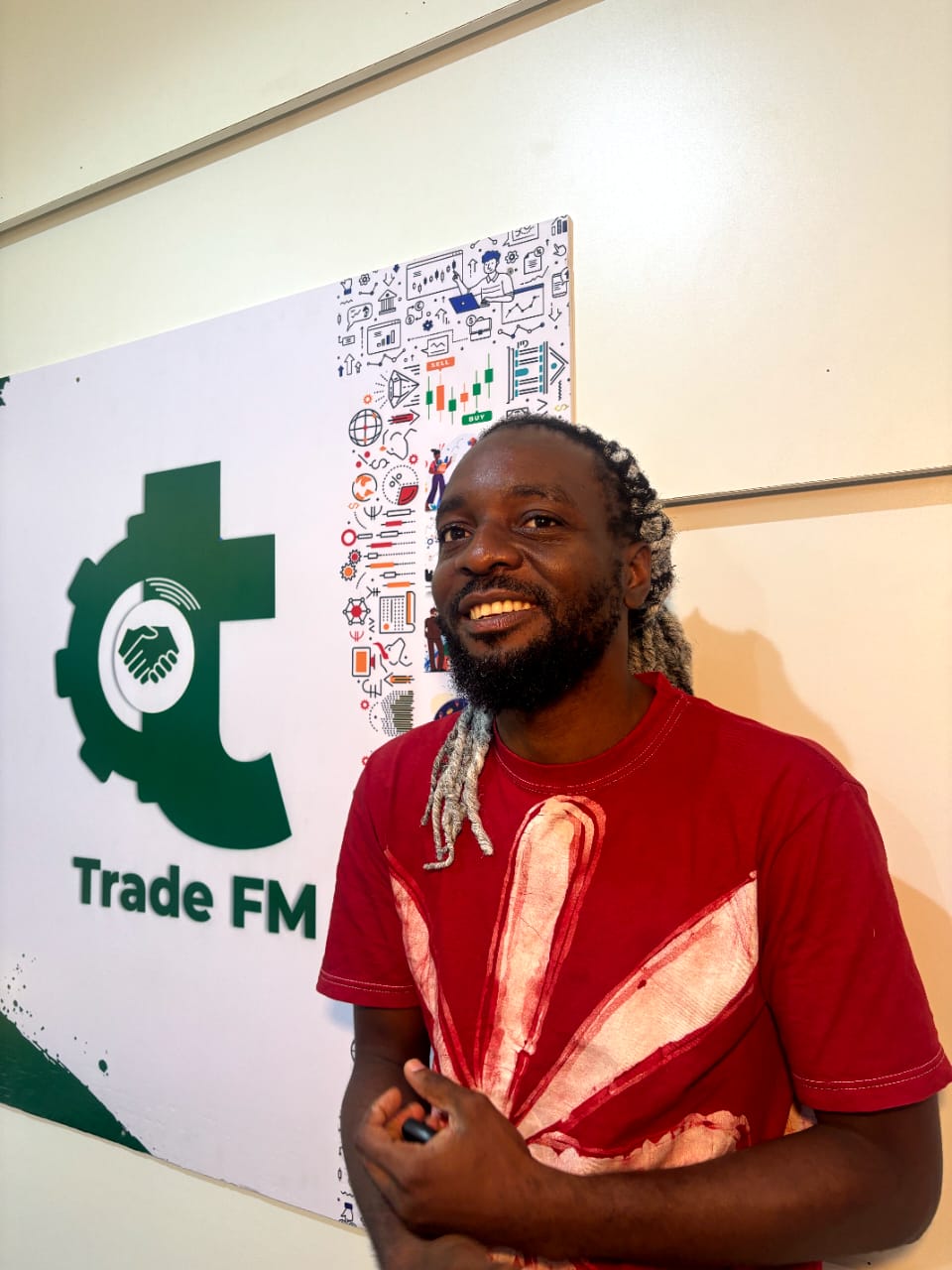
The Chief Executive Officer of Ogoo Leather, Okeisolobrugwe Clifford Ikpikpini, has identified consumer attitudes and the preference for foreign luxury brands as the biggest obstacles preventing Nigeria’s leather industry from reaching its full potential, arguing that the challenge extends beyond production costs or infrastructure.
Speaking on Trader FM Breakfast Business Briefing, Ikpikpini said while issues such as electricity, financing and access to raw materials affect manufacturers, the industry’s greatest problem is what he described as a lack of confidence among many Nigerian consumers in locally made premium products.
According to him, the tendency of many affluent Nigerians to favour foreign brands over indigenous ones discourages local manufacturers from investing in premium production and ultimately weakens the country’s leather value chain.
“The market is fluid. When there is demand, the market adjusts. The real problem is that Nigerians themselves love foreign brands. When a local brand tries to compete at the highest level, consumers often punish that ambition instead of supporting it,” he said.
Leather remains unmatched for durability
Ikpikpini explained that leather has continued to remain relevant across generations because of its durability, sustainability and aesthetic appeal.
He described leather as one of the most environmentally friendly materials for bag production, noting that unlike synthetic materials and plastics, genuine leather is biodegradable and can last for decades when properly processed.
“Leather is the most durable and eco-friendly material for bags. Plastic and synthetic materials are not biodegradable, but leather is organic, durable and aesthetically beautiful,” he said.
Understanding leather quality
The leather manufacturer urged consumers to become more knowledgeable about the different grades of leather before making purchasing decisions.
He identified five major grades of leather—split grain, bonded leather, genuine leather, top grain and full-grain leather—explaining that full-grain leather represents the highest quality because it retains the complete structure of the animal hide.
According to him, many consumers mistakenly believe products labelled “genuine leather” represent premium quality, whereas genuine leather is actually considered an entry-level grade.
He said premium brands around the world typically rely on full-grain leather because of its superior strength, longevity and appearance.
Importance of tanning
Beyond the grade of leather, Ikpikpini stressed that the tanning process significantly determines the quality and lifespan of leather products.
He explained that leather generally undergoes three finishing methods:
- Top finish, where thick layers of dye conceal imperfections but may later peel.
- Semi-aniline finish, which combines dye penetration with a light protective coating.
- Aniline finish, regarded as the highest quality, where premium hides absorb dye naturally without heavy surface coatings.
According to him, consumers should insist on knowing both the leather grade and tanning process before purchasing any leather product.
“It is ethical for brands to disclose the quality of leather they use, the type of tanning, and the materials used inside the bag. If a brand withholds that information, then it is deliberately selling vague or lower-quality products,” he said.
Why handcrafted bags cost more
Ikpikpini explained that handcrafted leather bags require greater skill and precision than machine-produced alternatives, particularly when working with thick full-grain leather.
He noted that unlike thinner grades of leather that can be stretched and corrected during production, mistakes made on premium full-grain leather are difficult to fix.
As a result, handcrafted products demand more labour, longer production time and greater craftsmanship.
For consumers seeking durability and long-term value, he recommended handcrafted bags made from full-grain leather with aniline finish.
“You will use it for an extremely long time,” he said.
Technology supports design, not craftsmanship
While acknowledging the growing role of technology in manufacturing, Ikpikpini said his company primarily uses digital tools during the design stage.
He explained that software enables designers to visualise products in three dimensions before production, reducing material waste since leather remains expensive.
However, he maintained that Ogoo Leather deliberately relies on handcrafting for production.
According to him, many of the company’s products are intentionally engineered to be impossible for conventional machines to manufacture efficiently.
“We don’t just design bags; we engineer them. We want every piece to be unique, almost like artwork rather than simply a fashion accessory,” he said.
Decline of Nigeria’s tanning industry
The leather entrepreneur expressed concern over the shrinking capacity of Nigeria’s tanning industry, claiming that most domestic tanneries have either shut down or are now largely operated by foreign investors.
He attributed the decline partly to insufficient patronage of premium Nigerian leather brands, which limits large-scale orders capable of sustaining local processing facilities.
Without successful indigenous brands creating strong demand, he said raw animal hides are increasingly exported instead of being processed domestically, resulting in lost jobs and reduced value addition within Nigeria.
Calls for greater support
Ikpikpini argued that successful local brands create employment opportunities beyond manufacturing, including logistics, branding, packaging, marketing and retail.
He warned that when ambitious entrepreneurs receive little support at home, many eventually relocate to countries where their products receive greater appreciation.
“If Nigerians continue punishing ambitious local brands, those brands will simply relocate to markets that appreciate them. When that happens, Nigeria loses not just talent but an entire ecosystem of jobs,” he said.
He also emphasised the importance of mentorship, saying thriving economies actively nurture promising entrepreneurs rather than discourage them.
Personal experiences
Drawing from his own experience, Ikpikpini recounted instances where influential Nigerians allegedly failed to support his business despite expressing admiration for his products.
He claimed some high-profile individuals purchased his bags but declined to publicly acknowledge the brand, while others failed to honour agreed payment arrangements.
Although he declined to disclose names, he said such experiences reflected a broader reluctance among some elite consumers to openly support local luxury brands.
Despite those setbacks, he acknowledged several individuals, family members and mentors who had contributed positively to the growth of Ogoo Leather.
Global ambition
Looking ahead, Ikpikpini expressed confidence that Ogoo Leather would eventually compete with the world’s leading luxury leather brands.
He maintained that his ambition is to establish the company as a globally recognised luxury leather brand originating from Nigeria.
He warned, however, that unless consumer attitudes change, many premium Nigerian brands may eventually build their success overseas instead of at home.
“If Nigerians do not change their mindset, local brands will become international brands of Nigerian heritage rather than Nigerian-based global brands. That means the country will lose opportunities, jobs and economic value that could have been retained at home,” he said.
